
Nasal Valve Collapse Correction Surgery in Singapore: A Guide to Understanding the Procedure

Chronic nasal obstruction is often a structural problem rather than a medical one. If nasal sprays and medications have failed to improve your breathing—especially during exercise or sleep—the cause may be nasal valve collapse. This occurs when the nasal framework is too weak to support airflow, leading to the airway pinching shut during inhalation.

It is essential to distinguish between ENT disease management (treating infections, polyps, or allergies) and structural nasal surgery. Plastic surgeons focus on reconstruction of the nasal “scaffolding.”

Nasal valve collapse correction is a surgical intervention designed to rebuild the architectural integrity of the nose. By reinforcing weakened cartilage with advanced grafting techniques, we restore the structural support necessary for clear, unobstructed breathing. This procedure offers a permanent, physical solution for patients whose obstruction is rooted in the shape and strength of their nasal anatomy.

doctor img
Dr Terence Goh

MBBS

MMed

MRCS

FAMS

Image Whisk_eb0083f6a0ef2cb99f847f3f6ae1940cdr Image Whisk_eb0083f6a0ef2cb99f847f3f6ae1940cdr

What is Nasal Valve Collapse Correction Surgery?

Nasal valve collapse correction surgery is a reconstructive procedure designed to strengthen and widen the nasal valves—the narrowest parts of your nasal airway. The nasal valve comprises two regions: the internal nasal valve (where the upper lateral cartilage meets the septum) and the external nasal valve (formed by the nostril rim and surrounding structures). When these areas become weakened or narrowed, airflow can be significantly restricted.

This surgery works by reinforcing the cartilage framework supporting the nasal valves and preventing them from collapsing inward during breathing. Surgeons may use cartilage grafts (small pieces of cartilage taken from elsewhere in the body to add structural support), suture techniques (specialised stitching methods to reshape and stabilise the cartilage), or a combination of methods to achieve structural support and improved airflow.

The procedure addresses several conditions:

  • Congenital valve weakness (structural issues present from birth)
  • Age-related cartilage deterioration (weakening of the nasal cartilage that occurs naturally over time)
  • Previous nasal surgery complications
  • Trauma-related collapse (damage from injury)

Surgical correction has helped many patients who previously relied on external nasal strips or constant mouth breathing achieve more comfortable nasal respiration.

Outcomes differ among patients based on the severity of collapse and the technique used. Your surgeon will discuss realistic expectations based on your specific condition. The goal is functional improvement—supporting the nose’s ability to perform its role in breathing, filtering, and humidifying air.

Who is a Suitable Candidate?

  • Ideal Candidates

    Determining candidacy for nasal valve collapse correction surgery requires careful evaluation by a qualified plastic surgeon. The following characteristics generally indicate suitability:

    • Confirmed nasal valve collapse diagnosed through clinical examination, including the
    • Cottle manoeuvre (a simple test where the doctor pulls your cheek outward to see if your breathing improves)
    • Persistent nasal obstruction that hasn’t responded adequately to medical treatments such as nasal steroids or antihistamines
    • Structural weakness of the internal or external nasal valve visible on examination
    • General health status allowing safe administration of anaesthesia
    • Realistic expectations about surgical outcomes and recovery
    • Non-smokers or those willing to stop smoking before and after surgery (smoking impairs healing and can reduce the success of tissue grafts)
    • Previous rhinoplasty patients experiencing breathing difficulties due to over-resection of nasal cartilage (when too much cartilage was removed during a previous nose surgery)
    • Age-related nasal collapse in patients whose cartilage has weakened over time
  • Contraindications

    Certain factors may preclude or delay surgery:

    • Active nasal or sinus infections requiring treatment before surgery
    • Uncontrolled medical conditions such as diabetes, hypertension, or bleeding disorders
    • Current smoking, which impairs healing and graft survival
    • Unrealistic expectations about cosmetic outcomes (this is primarily functional surgery aimed at improving breathing rather than appearance)
    • Body dysmorphic disorder (a condition where someone is excessively concerned about perceived flaws in appearance) or psychological conditions affecting surgical decision-making
    • Blood-thinning medications that cannot be safely discontinued
    • Autoimmune conditions (where the immune system attacks the body’s own tissues) affecting cartilage or connective tissue
    • Previous radiation therapy to the nasal area

A thorough consultation with a qualified plastic surgeon is important for determining whether nasal valve collapse surgery may be appropriate for your specific situation. Your surgeon will conduct a comprehensive nasal examination, review your medical history, and may order imaging studies (such as CT scans) to assess your anatomy.

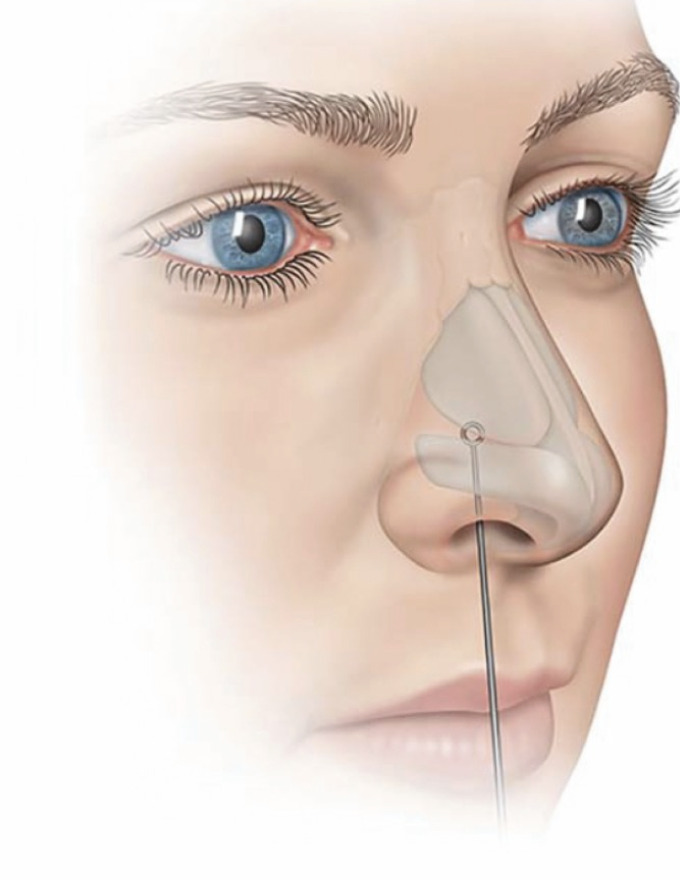
Treatment Techniques & Approaches

Spreader Grafts

Spreader grafts are commonly used techniques for internal nasal valve correction. This approach involves placing thin strips of cartilage between the septum (the wall that divides your nostrils) and upper lateral cartilages (the cartilage that forms the sides of your nose) to widen the internal valve angle. The grafts are typically harvested from the patient’s own septum, ear, or occasionally rib cartilage.

Spreader grafts can work well for patients with a narrow middle vault or those who have experienced collapse following previous rhinoplasty (nose reshaping surgery). The technique provides structural support while maintaining natural nasal aesthetics.

Alar Batten Grafts

For external nasal valve collapse, alar batten grafts offer reinforcement. These curved cartilage grafts are placed in pockets created along the lateral nasal wall to prevent the nostrils from collapsing during inspiration (breathing in). This technique can be useful for patients whose nostrils visibly pinch inward when breathing deeply.

Butterfly Grafts

The butterfly graft technique addresses internal valve narrowing by placing a curved cartilage piece that spans both nasal valves. This creates a spring-like effect that holds the valve open. Surgeons can perform this approach through an endonasal approach (working through the inside of your nose), avoiding external incisions.

Suture Suspension Techniques

In some cases, suture-based techniques can address valve collapse without requiring cartilage grafting. Surgeons can place flaring sutures (stitches designed to pull tissue outward) to pull the upper lateral cartilages outward, widening the internal valve. These techniques offer shorter operating times and may be suitable for milder cases.

Lateral Crural Strut Grafts

When the lower lateral cartilages (the cartilage that forms the tip and sides of your nostrils) are weak or malpositioned, lateral crural strut grafts provide support. Surgeons place these grafts underneath the existing cartilage to strengthen the nostril rim and prevent external valve collapse.

In selected cases, processed cadaveric cartilage grafts may be used as an alternative to the patient’s own cartilage, particularly when additional structural support is required or donor cartilage is limited.

Wondering which approach might be appropriate for you?

Our plastic surgeon can evaluate your specific nasal anatomy and discuss suitable techniques for your condition.

Ready for Natural Looking Results?

The Treatment Process

Pre-Treatment Preparation

Preparation for nasal valve collapse surgery begins weeks before your procedure date. Your plastic surgeon will conduct a thorough evaluation.

Medical Assessment:

  • Complete medical history review
  • Physical examination of nasal structures
  • Nasal endoscopy to visualise internal anatomy (a thin tube with a camera is gently inserted into your nose to allow the doctor to see the internal structures)
  • Possible CT scan imaging (detailed X-ray images) if concurrent sinus issues are suspected
  • Blood tests to check clotting function and general health

Pre-Operative Instructions:

  • Stop smoking at least several weeks before surgery
  • Discontinue blood-thinning medications (aspirin, NSAIDs, fish oil) as directed
  • Avoid herbal supplements that may increase bleeding risk
  • Arrange transportation home and assistance for the first few days
  • Fill prescriptions for post-operative medications in advance

Day Before Surgery:

  • Follow fasting instructions (typically no food or drink after midnight)
  • Shower and wash your face thoroughly
  • Prepare comfortable clothing that buttons or zips rather than pulls over the head
  • Set up a recovery area at home with extra pillows for elevated sleeping
During the Procedure

Nasal valve collapse correction surgery typically takes place under general anaesthesia (you’ll be asleep and won’t feel anything). For some cases, local anaesthesia with sedation may be appropriate (numbing medication while you’re relaxed but awake). The procedure generally takes a few hours, though the duration varies among patients depending on complexity and techniques used.

Surgical Steps:

1. Anaesthesia administration and preparation of the surgical site with antiseptic solution

2. Incision placement—either endonasal (inside the nose) or external (a small incision across the columella, the tissue between your nostrils), depending on technique and concurrent procedures

3. Cartilage harvesting—To rebuild the nasal framework, the surgeon requires a source of structural cartilage. This can be obtained in two ways:

  • Autologous Grafts: Harvesting a small sample of the patient’s own cartilage from the septum, ear, or rib.
  • Cadaveric Grafts: Utilising processed, medical-grade donor cartilage. This is often preferred when the patient’s own donor sites are limited or to avoid the additional recovery time associated with a second harvest site.

4. Exposure of nasal valve structures through careful dissection (the surgeon gently separates tissue to access the area)

5. Graft placement and securing using sutures to position cartilage grafts

6. Assessment of airflow improvement during surgery

7. Wound closure with dissolvable or removable sutures

8. Placement of internal splints to support healing structures

You remain completely comfortable under anaesthesia during the procedure. Your surgeon works methodically to position grafts for functional results.

Immediate Post-Treatment

Following surgery, you’ll spend time in the recovery area as anaesthesia wears off. In most cases, patients experience:

  • Nasal congestion and inability to breathe through the nose initially (this is normal)
  • Mild to moderate discomfort controlled with prescribed pain medication
  • Some bruising and swelling, particularly if the surgeon made external incisions
  • Internal nasal splints or packing that may remain for several days

Nasal valve collapse surgery in Singapore often takes place as day surgery, meaning you can return home the same day once you’ve recovered from anaesthesia. You’ll receive detailed written instructions and contact numbers for any concerns.

Recovery & Aftercare

First 24-48 Hours

The initial recovery period requires rest and careful attention to post-operative instructions:

Pain Management:

  • Take prescribed pain medications as directed
  • Apply cold compresses to reduce swelling, avoiding direct pressure on the nose
  • Keep your head elevated, even while sleeping

Activity Restrictions:

  • No bending, lifting, or straining
  • Avoid blowing your nose
  • Sleep with your head elevated on several pillows
  • No strenuous activity

What to Expect:

  • Bloody nasal discharge is normal and will gradually decrease
  • Swelling peaks around day 2-3 before improving
  • Fatigue from anaesthesia is common

Warning Signs Requiring Immediate Contact:

  • Heavy, uncontrolled bleeding
  • High fever (above 38.5°C)
  • Severe pain uncontrolled by medication
  • Vision changes or severe headache
  • Signs of infection, such as increasing redness, pus, or worsening pain

First Week

The first week involves gradually improving comfort as initial swelling subsides:

Splint Removal:

  • Internal splints (small supports placed inside the nose to protect healing tissue) are typically removed at your first follow-up appointment, several days post-surgery
  • This appointment includes wound inspection and initial assessment
  • Breathing improvement often becomes noticeable once splints are removed

Daily Care:

  • Use gentle saline rinses (saltwater washes) as instructed to keep nasal passages moist
  • Clean any external incision sites as directed
  • Continue avoiding nose-blowing; dab gently instead
  • Take prescribed antibiotics if given

Activity Progression:

  • Light walking is encouraged
  • Many patients can return to desk work within the first week
  • Continue avoiding exercise, heavy lifting, and swimming

Healing Progress:

  • External bruising typically fades within the first week to ten days
  • Initial swelling decreases noticeably
  • Breathing gradually improves as internal swelling resolves

Long-term Recovery

Full recovery from nasal valve collapse surgery follows a gradual timeline:

Weeks 2-4:

  • Patients typically return to normal daily activities
  • Light exercise may resume around this period
  • Avoid contact sports andactivities that riskg nasal trauma
  • Swelling continues to decrease progressively

Months 1-3:

  • Strenuous exercise and sports are typically permitted after several weeks
  • Internal healing continues, though it remains externally invisible
  • Functional improvement stabilises
  • Follow-up appointments assess outcomes

Months 3-12:

  • Final results become apparent as all swelling resolves
  • Cartilage grafts (tissue used to support weakened nasal structures) fully integrate
  • Breathing improvement continues to develop
  • Annual follow-ups may be recommended

Consult our plastic surgeon to discuss post-procedure support and what to expect throughout your recovery.

Ready for Natural Looking Results?
Image Screenshot Image Screenshot

Benefits of Nasal Valve Collapse Correction Surgery

Patients who undergo nasal valve collapse surgery may experience improvements in their quality of life:

  • Improved nasal airflow, allowing more comfortable breathing through the nose
  • Enhanced sleep quality from reduced nasal obstruction and potential improvement in snoring
  • Enhanced exercise tolerance, reducing the frustration of inadequate nasal breathing
  • Reduced reliance on nasal strips or external dilators (devices that help hold the nostrils open) for breathing comfort
  • Improved sense of smell as airflow reaches olfactory receptors (specialised cells in the nose that detect odours) more effectively
  • Decreased mouth breathing and associated dry mouth symptoms
  • Enhanced nasal function in humidifying and filtering inhaled air
  • Results that address the structural cause rather than just symptoms
  • Improved overall quality of life from easier, more natural breathing
  • Potential improvement in CPAP tolerance for sleep apnoea patients who struggled with nasal masks

Outcomes differ among patients based on individual health factors and the extent of the condition.

Risks & Potential Complications

Common Side Effects

As with any surgical procedure, nasal valve collapse surgery involves temporary effects during healing:

  • Nasal congestion lasting several weeks as internal swelling resolves
  • Mild pain and discomfort manageable with prescribed medications
  • Bruising and swelling around the nose and possibly under the eyes
  • Temporary numbness of the nasal tip that typically resolves over tim
  • Crusting inside the nose during healing, managed with saline rinses (a saltwater solution that helps clean and moisturise the nasal passages)
  • Minor bleeding, particularly in the first few days

These effects are expected parts of normal healing and resolve progressively over the recovery period.

Rare Complications

While uncommon, more significant complications can occur:

  • Infection requiring antibiotic treatment or, rarely, additional intervention
  • Graft displacement or absorption (when the cartilage used to support the nasal valve moves from its position or is reabsorbed by the body), potentially requiring revision surgery
  • Septal perforation (a hole that forms in the wall separating the nostrils) if septal cartilage was harvested
  • Persistent breathing difficulty if insufficient correction is achieved
  • Over-correction causing an overly widened nasal appearance
  • Asymmetry (unevenness in the appearance or function of the nose) requiring revision
  • Scarring, particularly with external incisions (typically minimal and well-hidden)
  • Anaesthesia-related complications (rare with modern techniques)

Choosing a qualified healthcare professional who specialises in ear, nose, and throat surgery with specific training in nasal reconstruction helps reduce these risks. Proper surgical technique, careful patient selection, and adherence to post-operative instructions all support safe outcomes. Your surgeon will discuss these risks thoroughly during your consultation.

Cost Considerations

The cost of nasal valve collapse surgery in Singapore varies based on several factors:

Factors Affecting Cost:

  • Complexity of the collapse and surgical approach needed
  • Type and source of cartilage grafts needed (small pieces of cartilage used to support and strengthen the nasal structure)
  • Duration of surgery
  • Anaesthesia requirements (medication to keep you comfortable during the procedure)
  • Hospital or surgical facility fees
  • Surgeon’s qualifications
  • Need for concurrent procedures (additional procedures performed at the same time, such as septoplasty or turbinate reduction)

What’s Typically Included:

  • Pre-operative consultations and assessments
  • Surgeon’s fees
  • Anaesthesia fees
  • Operating facility charges
  • Post-operative follow-up appointments
  • Medications and basic supplies

Request a detailed cost breakdown during your consultation. Consider your surgeon’s qualifications alongside other factors. This functional surgery requires precision and skill.

For a personalised quote reflecting your specific needs, schedule a consultation with a qualified plastic surgeon.

Frequently Asked Questions (FAQ)

How do I know if I have nasal valve collapse versus other causes of nasal obstruction?

Nasal valve collapse has characteristic features that help distinguish it from other causes. The Cottle manoeuvre—where gently pulling your cheek outward significantly improves breathing—strongly suggests valve collapse. If you notice your nostrils pinching inward when breathing deeply, or if breathing worsens when lying down, these also point towards valve issues. Many patients have multiple contributing factors. A thorough evaluation by a qualified healthcare professional who specialises in ear, nose, and throat conditions, including nasal endoscopy (a thin camera used to examine inside your nose), can accurately diagnose the cause of your obstruction and determine whether nasal valve surgery may benefit you.

Is nasal valve collapse surgery purely functional, or will it change how my nose looks?

The primary goal of nasal valve collapse surgery is functional improvement—supporting normal breathing. Depending on the technique used, subtle external changes may occur. Spreader grafts (small pieces of cartilage placed to widen the nasal passage) can slightly widen the middle portion of the nose. Alar batten grafts (cartilage supports placed along the nostril wall) may create minor fullness along the nostril rim. These changes are typically minimal and often described as aesthetically neutral. Your surgeon will discuss potential appearance changes during the consultation. If you have specific cosmetic concerns or goals, these can be addressed concurrently through rhinoplasty techniques.

How long do the results of nasal valve surgery last?

When performed correctly, nasal valve collapse correction can provide long-lasting results. The cartilage grafts become integrated into your nasal structure permanently. Natural ageing processes continue, and some patients may experience gradual changes over decades. Revision surgery rates vary by technique. Maintaining overall nasal health and avoiding trauma helps preserve results.

Can nasal valve surgery be combined with other procedures?

Yes, nasal valve collapse surgery is frequently combined with complementary procedures for comprehensive treatment. Common combinations include:

  • Septoplasty (straightening a deviated septum, the wall between your nostrils)
  • Turbinate reduction (decreasing enlarged turbinates, structures inside your nose that filter and humidify air)
  • Functional rhinoplasty

Addressing all contributing factors simultaneously can support functional outcomes. During your evaluation, your surgeon will identify all structures contributing to your obstruction and recommend an appropriate treatment plan.

What is recovery like compared to cosmetic rhinoplasty?

Recovery from isolated nasal valve surgery is typically easier than full cosmetic rhinoplasty. There’s usually less swelling and minimal to no bruising (unless combined with other procedures). Patients often return to normal activities faster, with many returning to desk work within a week. The exact recovery depends on the techniques used and whether you underwent additional procedures. If spreader grafts or extensive work were needed, recovery may be more similar to rhinoplasty. Your surgeon will provide realistic expectations based on your specific surgical plan.

Will I need packing in my nose after surgery?

Nasal valve surgery techniques typically use internal splints (small supports placed inside your nose) rather than traditional packing. Splints are more comfortable than packing and help support the healing structures. Your surgeon usually removes them at your first follow-up appointment, around several days post-surgery. Removal is quick and should not be painful, though you may feel momentary discomfort. Some surgeons use dissolvable splinting materials that don’t require removal. Your surgeon will explain exactly what to expect regarding internal support during your recovery.

How soon after surgery will I notice improved breathing?

Immediately after surgery, your nose will be more blocked than before due to swelling, splints, and crusting—this is completely normal. Once your surgeon removes the splints (typically around day several), some patients notice some improvement. Significant swelling inside the nose takes weeks to resolve. Patients often experience progressive breathing improvement over several weeks, with final results becoming apparent by several months. Patience during this healing period is important, as early congestion doesn’t indicate surgical failure.

What happens if the surgery doesn’t work or my breathing problems return?

While many patients experience meaningful improvement, some may have residual obstruction or a gradual return of symptoms. If this occurs, options are available. If initial results are unsatisfactory, your surgeon will evaluate potential causes—perhaps other contributing factors weren’t fully addressed, or graft absorption occurred. Revision surgery is possible in such cases, though it requires careful assessment and planning. During consultation, ask about your surgeon’s revision rates and approach to suboptimal results.

Conclusion

Nasal valve collapse correction surgery offers an option for patients whose breathing difficulties stem from weakened or narrow nasal valves. By addressing the structural cause of obstruction, this procedure aims to support comfortable, natural nasal breathing that medical treatments alone cannot achieve.

Understanding the various techniques available—from spreader grafts (cartilage supports placed inside the nose to widen the nasal passage) to alar batten grafts (structural supports that strengthen the outer nasal walls)—allows you to have informed discussions with our plastic surgeon about an appropriate approach for your anatomy. While recovery requires patience as swelling resolves, many patients experience improvement in their breathing and quality of life.

If nasal obstruction has affected your sleep, exercise tolerance, or daily comfort, evaluation for nasal valve collapse may reveal a correctable cause. Speak with our plastic surgeon about whether you might benefit from surgical correction. With proper diagnosis and surgical planning, improved breathing is an achievable goal.

Dr. Terence Goh - AZATACA Plastic Surgery

Dr Terence Goh

Choosing to combine the intricate skills of microsurgery with aesthetic surgery, Dr Goh specialises in gynaecomastia, surgery of the Asian face, particularly Asian eyelid surgery and rhinoplasty.

Blending the precision of microsurgery with the artistry of aesthetic surgery, Dr Goh has a special interest in gynaecomastia, facial procedures, including ptosis and eyelid surgery, as well as rhinoplasty.

He also offers a full range of body contouring procedures such as mummy makeovers, breast augmentation, liposuction, and body sculpting—designed to help patients feel more confident and comfortable in their own skin.

Beyond aesthetics, Dr Goh remains active in reconstructive microsurgery, with expertise in breast reconstruction, head and neck reconstruction, and lower limb salvage—restoring both form and function where it’s needed most.

  • Bachelor of Medicine, Bachelor of Surgery, National University of Singapore
  • Master of Medicine, National University of Singapore
  • Member of the Royal College of Surgeons
  • Fellow of the Academy of Medicine, Singapore (Plastic Surgery)

Ready to Take the Next Step?

If you’re considering nasal valve collapse surgery in Singapore, consult with Dr Terence Goh to understand if it’s a suitable option for your breathing concerns. Through comprehensive evaluation and personalised treatment planning, you can receive attentive care throughout your journey.

    Azataca-AZATACA Plastic Surgery (NOVENA)

    AZATACA Plastic Surgery (NOVENA)

    Mon – Fri 9:00am – 6:00pm
    Sat 9:00am – 1:00pm
    Sun & PH Closed
    AZATACA Plastic Surgery GLENEAGLES

    AZATACA Plastic Surgery (GLENEAGLES)

    Mon – Fri 9:00am – 5:00pm
    Sat 9:00am – 1:00pm
    Sun & PH Closed