
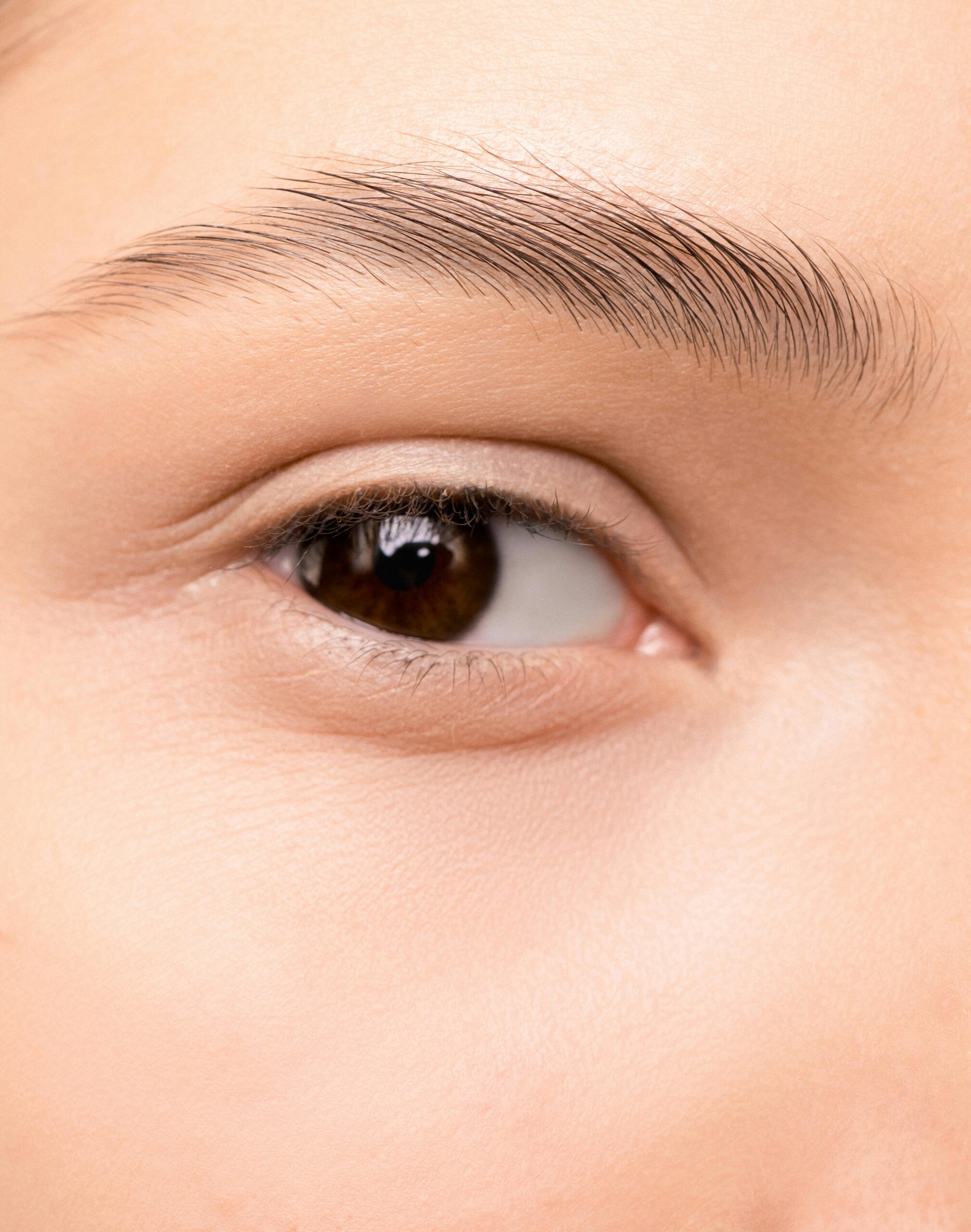

Many adults experience some degree of ptosis, though they may not realise that drooping eyelids can potentially impair peripheral vision and contribute to chronic headaches from compensatory eyebrow elevation.
Ptosis surgery corrects drooping upper eyelids by tightening or repositioning the levator muscle (the muscle responsible for lifting your eyelid). The procedure typically takes approximately 30-45 minutes per eyelid under local anaesthesia with sedation.
Recovery from ptosis surgery generally follows a consistent pattern, though individual healing varies based on the surgical technique used, whether internal or external approaches were performed, and your body’s natural healing capacity. External approaches involving skin incisions generally require slightly longer visible recovery than internal (transconjunctival) techniques. Functional recovery timelines remain similar.
The surgeon’s specific instructions take precedence over general guidelines. They account for the particular technique used in your case and any individual factors affecting your ptosis surgery recovery.
The First Hours After Surgery
Immediately following ptosis surgery, your eyelids are likely to be swollen. The surgical sites will typically be covered with antibiotic ointment. You may notice difficulty fully closing your eyes—this is expected and temporary, due to surgical manipulation of the levator muscle.
During this initial phase:
- Keep your head elevated above heart level, including while sleeping
- Use cold compresses for short periods every hour while awake, with a clean cloth barrier between the ice pack and your skin
- Avoid any pressure directly on the eyelids
Your vision may be blurry from the ointment and swelling. Arrange for someone to assist you at home. Reading and screen use should be minimised. You may feel pressure or slight discomfort. Prescribed medications typically help manage discomfort.
What you’ll experience:
- Swelling peaking around the first couple of days post-surgery
- Bruising extending to the cheeks in some cases
- Watery eyes or mild discharge
- Asymmetry between eyelids (normal during healing)
- Sensitivity to light
Early Recovery Phase
Swelling typically starts to reduce from day three onward. Bruising often intensifies in colour before fading—yellow and green discolouration indicates normal breakdown of blood in the tissues. Continue sleeping with your head elevated and applying cold compresses. Frequency can be reduced several times daily.
A surgeon will typically schedule a follow-up appointment within the first week. The appointment will assess healing, remove any external sutures (stitches) if non-dissolvable sutures were used, and check eyelid positioning. Dissolvable sutures used in the eyelid crease generally absorb within the first couple of weeks.
During this week, avoid bending forward, lifting anything heavier than a few kilograms, and any activity that increases blood pressure to your head. Showering is permitted. Keep water away from your eyes—use a damp cloth to clean your face around the surgical area.
💡 Did You Know?
The levator muscle that lifts your eyelid is remarkably thin—very small at its attachment point. Surgeons make precise adjustments measured in millimetres to achieve appropriate eyelid height and symmetry.
Visible Improvement Begins
Many patients feel comfortable returning to non-strenuous work and social activities around the two-week mark, though individual recovery timelines vary. Visible bruising may still be present. Concealer makeup can typically be applied to surrounding areas once a surgeon confirms the incision sites have closed, which generally occurs after suture removal.
Eyelid asymmetry often persists during this phase. One eyelid may appear higher or more open than the other. This reflects differences in muscle settling and swelling resolution between sides. Final symmetry cannot be assessed until swelling fully resolves.
You may notice your eyelids feel tight or look slightly “surprised” in appearance. This over-correction is intentional. The tissues typically relax and settle over the following weeks as the muscle gradually adjusts to its new position.
Permitted activities by week three:
- Light walking and gentle daily activities
- Reading and moderate screen use with breaks
- Wearing glasses (avoid frames that press on the brow or cheeks)
- Light makeup around eyes (not on incision lines)
- Driving (once comfortable with peripheral vision)
Tissue Settling Phase
The operated tissues undergo significant settling during this period. Swelling reduces to minimal levels. Early scar maturation begins. Your eyelid crease may appear more defined than your final result. It will soften over the following months.
Contact lens wear can typically resume around 2 weeks post-surgery, depending on your surgeon’s assessment of healing. Start with shorter wearing periods and ensure meticulous lens hygiene.
Exercise restrictions are gradually lifted. Low-impact activities (such as stationary cycling and light weights) can resume around week four. Swimming, high-intensity exercise, and activities with impact or straining (such as running, heavy lifting, or contact sports) should typically be avoided for 6-8 weeks or until the surgeon confirms you may resume them.
Some patients experience dry eye symptoms (such as grittiness, burning, or excessive tearing) during this phase. These occur as the eyelid’s protective function normalises. Use preservative-free artificial tears frequently throughout the day. They may help support corneal health and comfort during this adjustment period.
Functional Refinement
Eyelid function continues to improve over the following months. The levator muscle strengthens in its adjusted position. Any residual asymmetry often improves during this period. Most patients achieve a close approximation of their final functional result by the end of the first few months, though individual outcomes vary.
Incision lines remain pink or slightly raised during this period. Scar massage, if recommended by the surgeon, helps flatten and soften the healing tissue. Apply gentle pressure along the crease using clean fingertips for a few minutes, several times daily.
Your blinking pattern normalises as the eyelid muscles adapt. Any lagophthalmos (incomplete eye closure) present immediately after surgery should resolve by this stage. If persistent difficulty closing your eyes continues beyond two months, notify your surgeon for assessment.
⚠️ Important Note
Persistent asymmetry, significant lagophthalmos, or inability to fully close the eye beyond the two-month mark requires surgical review. While minor differences between eyelids are normal, functional concerns warrant professional assessment.
Final Results Emerge
Most healing from ptosis surgery occurs within several months. Most patients achieve functional recovery within 4-6 weeks, while scars mature from pink to white over several months and eventually blend into the natural eyelid crease. The final eyelid height and contour stabilise as all internal healing concludes.
Photographs comparing your pre-operative appearance to your result after several months provide an accurate assessment of the surgical outcome. Earlier photographs capture ongoing healing rather than final results.
If revision surgery is needed for persistent asymmetry or under/over-correction, it is typically scheduled after tissues have fully stabilised. Minor asymmetries may be acceptable given the risks associated with additional surgery. Individual results may vary based on pre-existing tissue quality and adherence to post-operative care.
Factors Affecting Your Recovery Timeline
Surgical technique influences healing. External levator advancement (where the surgeon tightens the muscle through an incision in the eyelid crease) creates a visible incision in the eyelid crease. Internal approaches (Müller’s muscle-conjunctival resection, performed through the inside of the eyelid) have no external incision but may cause more initial swelling.
Bilateral versus unilateral surgery matters. Operating on both eyelids simultaneously means both eyes experience swelling at the same time. This potentially limits vision more significantly in the early days. Total recovery time remains similar to single-eyelid surgery.
Pre-existing conditions affect healing. Patients with dry eye disease, prior eye surgery, or conditions that affect wound healing may experience prolonged recovery. Discuss your medical history thoroughly during pre-operative consultations.
Age and tissue quality play roles. Older patients or those with significant skin laxity may have longer visible recovery periods. Functional outcomes remain comparable across age groups.
Optimising Your Ptosis Surgery Recovery
Sleep positioning remains important throughout the first month. Side sleeping can cause uneven swelling or pressure on the healing tissues. Train yourself to sleep on your back with the head of your bed elevated or use multiple pillows.
Nutrition supports wound healing. Adequate protein intake provides amino acids for tissue repair, while vitamin C supports collagen synthesis essential for healing. Avoid alcohol for at least two weeks, as it can increase swelling and interfere with medication metabolism.
Sun protection prevents scar hyperpigmentation (darkening of the healing skin). Once healed, apply adequate sunscreen to the eyelid area or wear UV-protective sunglasses when outdoors. This protection should continue for several months post-surgery.
Follow your medication schedule precisely. Antibiotic drops or ointments help reduce the risk of infection. Anti-inflammatory medications reduce swelling. Complete the full course even if your eyes feel normal.
✅ Quick Tip
Keep a daily photo log of your recovery—same lighting, same angle. This documents your healing progress and helps the surgeon assess recovery at follow-up appointments.
When to Seek Professional Help
Sudden increase in pain not relieved by prescribed medication
Significant increase in swelling after initial improvement
Yellow or green discharge (may indicate infection)
Fever developing in the first two weeks post-surgery
Persistent inability to close the eye beyond several weeks
Vision changes beyond expected blurriness from the ointment
One eyelid is significantly more swollen or red than the other
Sutures appearing to loosen or wound edges separating
Commonly Asked Questions
How long should I wait before wearing eye makeup after ptosis surgery?
Light eye makeup around (not on) the incision can typically resume around two weeks once the surgeon confirms wound closure. Makeup directly on the eyelid crease should be avoided for 4-6 weeks post-surgery. Use new, uncontaminated products to minimise infection risk, and remove makeup gently.
Will my eyelids look the same as each other?
Minor asymmetry between eyelids is normal. It is naturally present in most people. Surgery aims for functional improvement and reasonable symmetry. Perfect mirror-image results are uncommon.
Can ptosis recur after surgery?
Ptosis can recur over time, particularly in cases with certain underlying causes (such as myasthenia gravis) or with natural ageing. The levator muscle may weaken again over extended periods. The likelihood of recurrence depends on the initial cause and individual factors.
When will I know if I need revision surgery?
Final results cannot be assessed until at least several months post-surgery. All swelling must resolve, and tissues must fully stabilise. A surgeon will discuss whether revision is appropriate at your follow-up appointments if significant asymmetry or functional concerns persist beyond this timeframe.
Is it normal for my eyes to feel dry after ptosis surgery?
Temporary dry eye symptoms are common during recovery from ptosis surgery. They result from altered tear film distribution as eyelid mechanics adjust. Use preservative-free artificial tears as needed throughout the day—some patients may require hourly application initially. Symptoms typically improve within a few months as normal blinking patterns are restored.
Conclusion
Ptosis surgery recovery progresses through several phases over several months. Most functional improvement typically occurs within the first few months, with final results becoming apparent after tissues have fully settled. Following your surgeon’s specific post-operative instructions, maintaining proper head elevation and using cold compresses initially, and attending all scheduled follow-up appointments can help support optimal healing.
If you’re experiencing drooping eyelids that obstruct your vision or affect your daily activities, Dr Terence Goh can evaluate your condition and discuss whether surgical correction may be appropriate for you.
