Breast Fat Transfer Surgery in Singapore

For individuals exploring options to increase breast fullness without the use of synthetic implants, breast fat transfer in Singapore is a recognised surgical procedure.

This technique utilises a patient’s processed adipose tissue to achieve a modest increase in volume and a refined breast contour. As a clinical option, it allows natural-tissue enhancement while simultaneously addressing donor sites via liposuction.

doctor img
Dr Terence Goh

MBBS

MMed

MRCS

FAMS

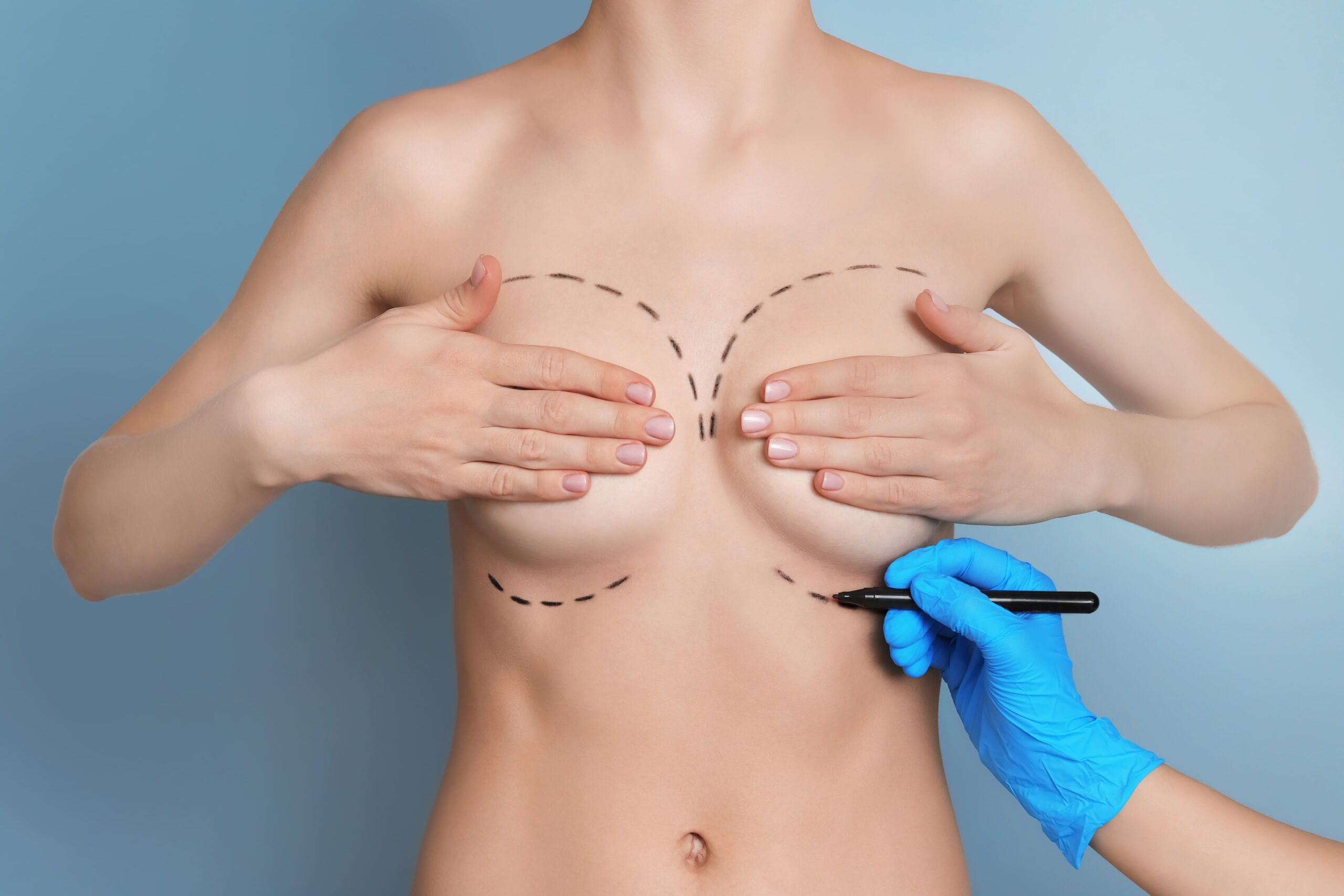
Image doctor drawing marks on female breast for cosmetic 2026 03 27 01 38 25 utc (1) Image doctor drawing marks on female breast for cosmetic 2026 03 27 01 38 25 utc (1)

What is Breast Fat Transfer Surgery?

Breast fat transfer surgery uses fat from your own body to increase breast volume. The medical term is autologous fat grafting—the plastic surgeon removes fat from one part of your body and carefully transfers it to your breasts. This approach, both used for breast reconstruction and aesthetic surgery, may appeal to patients who want fuller breasts but prefer to avoid synthetic implants.

How Does Breast Fat Transfer Work?

Breast fat transfer surgery in Singapore involves three main stages: harvesting, processing, and transferring fat cells.

The Harvesting Stage

The first step is to collect fat from areas where you have excess tissue. Common donor sites include the abdomen, thighs, flanks, or lower back. The surgeon uses liposuction to gently remove fat cells.

Before liposuction begins, a special fluid called tumescent solution is injected into the donor site. This fluid contains saline, anaesthesia, and medication to reduce bleeding. It helps loosen fat cells and makes extraction smoother.

The Processing Stage

Once harvested, the fat needs preparation for transfer. The extracted material contains more than just healthy fat cells—it also includes blood, oil, damaged cells, and other fluids unsuitable for grafting.

Your plastic surgeon processes this material using either centrifugation or filtration. At this practice, fat processing utilises the Puregraft system — a closed-system filtration method designed to wash and purify harvested fat while minimising cell damage and reducing processing time compared to open centrifugation methods:

  • Centrifugation spins the fat at controlled speeds to separate viable fat cells from unwanted components
  • Filtration passes the material through special devices that isolate healthy cells

Both methods aim to isolate viable fat cells, referred to as adipocytes, for transfer.

The Transfer Stage

The final stage injects the processed fat into your breast tissue using very fine cannulas (thin tubes designed for precise placement). This practice uses Tulip cannulas — precision-engineered instruments designed to minimise trauma to fat cells during both harvesting and injection, supporting graft viability throughout the transfer process.

The fat is placed in multiple layers and planes within the breast. This strategic distribution is important because small deposits have better access to the blood supply. When fat cells receive adequate blood flow, they may survive and integrate with your breast tissue through a process called vascularisation.

Wondering whether this procedure may be appropriate for you?

A consultation can help assess whether this procedure may be appropriate for your situation and what outcomes may realistically be achieved.

Ready for Natural Looking Results - Breast

Who Should Consider Breast Fat Transfer Surgery?

  • This procedure may be worth discussing with a surgeon for women who have
    • Breasts that feel less full after pregnancy
    • Breasts that have become less full due to ageing or weight loss
    • Mild asymmetry where one breast is noticeably smaller than the other

    Women who have undergone a mastectomy for breast cancer may also wish to explore fat transfer as one of the options within their breast reconstruction journey, to be assessed alongside other reconstructive approaches.

  • Clinical Indicators and Patient Suitability

    Several physical and health factors determine your suitability:

    • Adequate donor fat is essential. You need enough excess fat in areas like your abdomen, thighs, or flanks to harvest sufficient material. Patients who are very slim may not have enough donor tissue for meaningful enhancement. During consultation, the surgeon will assess your body composition and discuss realistic expectations.
    • Realistic volume goals matter significantly. Breast fat transfer typically achieves modest enhancement. If you’re hoping for a substantial increase in breast size, implants may be more appropriate.
    • Skin quality influences outcomes. Patients with good skin elasticity may achieve favourable results. Skin that has lost significant elasticity may not shape well around the added volume.
    • Overall health determines surgical safety. Your medical history, current medications, and any chronic conditions will be reviewed.
    • Body mass index is considered carefully. Both very high and very low BMI can affect candidacy.

What Preparation is Required Before Breast Fat Transfer?

Breast fat transfer involves anaesthesia, surgical incisions, and tissue manipulation. Even though many patients view it as less invasive than implant surgery, it still requires thorough medical preparation to help promote your safety and may support healing outcomes.

Pre-Operative Consultations

Your preparation begins with detailed consultations. Our plastic surgeon will:

  • Discuss your goals
  • Examine your breasts and potential donor sites
  • Explain what the procedure may realistically achieve

You’ll receive specific instructions about medications to avoid before surgery. Blood-thinning medications and certain supplements may need to be stopped temporarily. Smoking significantly impairs healing and fat cell survival, so you’ll be advised to stop smoking well before your procedure.

Imaging and Baseline Health Assessment

Breast imaging plays an essential role in pre-operative preparation. Mammography or breast ultrasound establishes a baseline picture of your breast tissue before surgery, typically for women over the age of 35. These images help rule out any hidden abnormalities and provide reference points for future screenings.

Having recent imaging on file is particularly important because fat transfer can create small calcifications visible on future mammograms. When radiologists know you’ve had the procedure, they can interpret these findings accurately.

Blood tests assess your overall health and ability to undergo surgery safely. These typically include checks of your blood count, clotting function, and metabolic markers.

Medical history review ensures the surgeon is aware of any conditions that might affect surgery or healing. Previous surgeries, allergies, chronic illnesses, and family medical history are all relevant.

Pre-operative preparation is tailored to each patient’s individual health profile and surgical requirements, with protocols covering both safety and aesthetic planning.

What Happens During Breast Fat Transfer Surgery?

Understanding the surgical process can help reduce anxiety. Breast fat transfer is typically performed under general anaesthesia, meaning you’ll be asleep throughout.

Anaesthesia and Initial Steps

Once you’re under general anaesthesia (fully asleep and pain-free), the surgical team prepares and sterilizes both your donor sites and breast areas according to the pre-determined surgical plan.

Fat Harvesting and Processing

Your plastic surgeon begins by harvesting fat from predetermined donor sites. Using tumescent liposuction technique, fat is gently extracted through tiny incisions—typically 3-5 millimeters long—placed in natural skin creases or discreet locations at donor sites. For breast injection, equally small entry points are made in inconspicuous areas such as the inframammary fold or areolar border.

The extracted fat is immediately transferred to a sterile processing area, where it undergoes purification to isolate healthy, viable fat cells. This step is critical because undamaged adipocytes have the potential to survive after transfer.

The processing method depends on the surgeon’s assessment of what may support graft survival. Both centrifugation and filtration aim to create conditions favourable to fat cell survival.

Fat Injection and Graft Placement

With purified fat prepared, the surgeon begins the transfer phase. Using fine cannulas, fat is injected into your breast tissue in very small amounts. This microdroplet technique places small parcels of fat throughout multiple tissue planes.

Throughout the injection process, your surgeon continuously assesses volume and symmetry, making real-time adjustments with the aim of achieving balanced, natural-looking results.

Precise tissue handling during the injection phase is an important technical consideration that influences how much transferred fat may survive.

What is the Recovery Process After Breast Fat Transfer?

Recovery involves healing in two distinct areas: your donor sites and your breasts. Understanding what to expect helps you prepare mentally and practically for the weeks following surgery.

  • Immediate Post-Operative Period (First Two Weeks)

    During the first two weeks, your body focuses on initial healing. You may experience swelling and bruising at both the liposuction sites and your breasts. This is normal.

    • Discomfort is usually more noticeable at donor sites than at the breasts. The liposuction areas may feel sore, tender, or tight. Pain medication will be prescribed to keep you comfortable.
    • Compression garments are worn at donor sites to support healing and reduce swelling. These garments also help your skin contract smoothly as it adjusts to reduced underlying volume.
    • Activity restrictions apply during early recovery:
      Avoid strenuous exercise, heavy lifting, and activities that strain your chest muscles. Gentle walking is encouraged to promote circulation and reduce the risk of blood clots
    • Wound care involves keeping incision sites clean and dry. Your surgical team will provide detailed instructions about showering, dressing changes, and signs of infection to watch for.
    • Sleep position matters during recovery. You may be advised to sleep on your back to avoid pressure on your breasts and donor sites.
  • Long-Term Healing and Graft Maturation (Three to Six Months)

    The results of breast fat transfer emerge gradually over six months. During this time, transferred fat cells either establish a blood supply and survive or fail to vascularise and are gradually absorbed by your body.

    • Initial swelling subsides progressively. Your breasts may appear larger immediately after surgery than they will once fully healed.
    • Fat resorption is a normal biological process. Not all transferred fat cells survive. Some of the grafted tissue is reabsorbed during the months following surgery. This is expected and factored into surgical planning. Your surgeon usually transfers slightly more fat than the final desired volume to account for this.
    • Results stabilise around six months after surgery. By this point, the fat cells that have successfully integrated are essentially permanent tissue. They’ll behave like any other fat in your body, responding to weight changes accordingly.

Wondering what your recovery journey may look like?

Dr Terence Goh’s team provides post-operative care and follow-up guidance throughout the recovery period.

Ready for Natural Looking Results - Breast

How Does Breast Fat Transfer Compare to Breast Implant Surgery?

Patients often wonder whether fat transfer or implants would better serve their goals. These are distinct procedures with different characteristics.

Volume Limitations and Aesthetic Outcomes

Fat transfer typically achieves modest enhancement. The exact volume depends on the available donor fat and the amount that can be safely transferred in a single procedure.

Implants can provide more substantial breast augmentation in a single surgery. Patients seeking significant size increases may find implants more suited to their goals.

Aesthetic characteristics differ between the two approaches:

  • Fat transfer uses your own tissue, which may result in a look and feel consistent with natural breast tissue, depending on the degree of fat survival and integration
  • Implants have a distinct feel and may be visible or palpable in patients with thin tissue coverage

Your consultation will explore which approach aligns with your specific goals. Some patients want the most natural possible result and are comfortable with modest enhancement. Others prioritise significant volume increase and may find implants more appropriate.

Maintenance and Long-Term Considerations

Revision potential exists with both procedures, but for different reasons:

  • Fat transfer may require additional sessions if you desire more volume or if fat survival is lower than expected
  • Implants are manufactured devices and may require replacement or revision over time, depending on device condition and individual factors.

Implant-specific complications don’t apply to fat transfer. Complications specific to implants — such as capsular contracture, implant rupture, and malposition — are not applicable. However, fat transfer carries its own potential complications, including fat necrosis and oil cyst formation, and these should be discussed with your surgeon.

Longevity differs between approaches. Successfully grafted fat becomes permanent tissue. Implants are manufactured devices with finite lifespans.

Clinical Aims and Potential Benefits of Breast Fat Transfer

Natural Tissue Integration

Fat that successfully vascularises may become integrated with your natural breast tissue. When integration occurs, the transferred tissue may move naturally with the breast and may have a soft consistency.

Biocompatibility is inherent because the tissue is your own. Because autologous fat is derived from your own body, it is generally considered biocompatible and is less likely to trigger the immune responses sometimes associated with synthetic implants. Capsular contracture, where scar tissue tightens around an implant, is not a concern associated with fat grafting, as no implant device is used.

Sensation in the treated area is generally preserved, as autologous fat does not introduce foreign material to the breast.

Dual-Site Aesthetic Improvement

The procedure offers a secondary benefit through liposuction at donor sites. Areas where fat is harvested may appear more contoured after healing.

This is still a surgical procedure at these sites. You’ll experience recovery requirements, including swelling, bruising, and the need for compression garments. The contouring effect comes with its own healing process.

The amount of contouring possible depends on where fat is harvested and how much is removed. Your plastic surgeon will discuss which areas can serve as donors whilst explaining the expected changes to those regions.

For patients who are also considering broader body contouring alongside breast enhancement, this procedure is sometimes incorporated as part of a mummy makeover — a combined approach addressing multiple areas in a single surgical plan.

Safety Profile and Risk Management in Breast Fat Transfer

Like any surgical procedure, breast fat transfer carries potential risks and complications. Transparent discussion of these possibilities is essential for informed consent.

  • Fat necrosis

    An area of fat cells may not survive the transfer process, potentially resulting in firm lumps beneath the skin.

  • Infection

    As with any surgical procedure, infection is a possibility and is typically managed with antibiotics where clinically appropriate.

  • Contour irregularities

    Results may not be entirely uniform, and in some cases, a revision procedure may be required to address concerns with appearance.

  • Oil cysts

    Small fluid-filled cysts may form from fat cells that did not fully integrate following transfer.

  • Fat embolism

    A rare but serious complication in which fat enters the bloodstream. Any suspected occurrence requires immediate emergency medical attention.

  • Overcorrection or undercorrection

    The transferred volume may not achieve the intended result, and further procedures may be necessary to refine the outcome.

Frequently Asked Questions About Breast Fat Transfer in Singapore

Will breast fat transfer leave visible scars?

Incisions for both liposuction and fat injection are very small, typically a few millimetres. They’re placed in discreet locations and usually fade significantly over time. Scars typically fade significantly over time, though individual healing responses vary.

What type of anaesthesia is used during the procedure?

Breast fat transfer is usually performed under general anaesthesia. You’ll be completely asleep throughout the procedure.

How long do the results of breast fat transfer last?

Fat cells that successfully integrate during the first six months may become stable tissue over the long term. This fat will behave like other fat in your body. Significant weight loss may reduce breast volume, whilst weight gain may increase it.

Can I have breast fat transfer if I’m slim?

Candidacy depends on whether you have adequate fat in donor areas. During consultation, the surgeon will assess your body composition.

Will weight gain or loss affect my results?

Yes. Transferred fat responds to weight fluctuations like fat anywhere else in your body. Maintaining a stable weight helps preserve your results.

Is breast fat transfer safe for future breastfeeding?

The potential impact of fat transfer on breastfeeding depends on individual anatomy and surgical technique. Patients with specific concerns regarding breastfeeding should discuss this in detail with their plastic surgeon prior to the procedure.

How many sessions are typically required?

Many patients achieve their goals in a single session. If you desire additional volume or experience lower-than-expected fat survival, subsequent sessions may be discussed.

When can I return to normal activities after surgery?

Patients typically return to desk work within one to two weeks. Strenuous exercise and heavy lifting are typically restricted for up to several weeks. Your surgeon will provide personalised guidance based on your healing progress.

Long-Term Outcomes and Clinical Follow-Up

Your relationship with your surgical team extends after your breast fat transfer surgery. Periodic follow-up appointments allow your surgeon to monitor graft stability and overall breast health.

Fat cells that successfully integrate during the first six months become lasting tissue. Maintaining a stable weight helps preserve your results, and general health practices continue to benefit tissue quality. To find out if you’re a good candidate for breast fat transfer surgery in Singapore, consult a qualified plastic surgeon who can assess your goals and guide you through your options.

Ready to explore natural breast enhancement?

Dr Terence Goh provides consultation for patients seeking to understand their options for breast enhancement in Singapore.

Ready for Natural Looking Results - Breast
Dr. Terence Goh - AZATACA Plastic Surgery

Dr Terence Goh

Choosing to combine the intricate skills of microsurgery with aesthetic surgery, Dr Goh specialises in gynaecomastia, surgery of the Asian face, particularly Asian eyelid surgery and rhinoplasty.

Blending the precision of microsurgery with the artistry of aesthetic surgery, Dr Goh has a special interest in gynaecomastia, facial procedures, including ptosis and eyelid surgery, as well as rhinoplasty.

He also offers a full range of body contouring procedures such as mummy makeovers, breast augmentation, liposuction, and body sculpting—designed to help patients feel more confident and comfortable in their own skin.

Beyond aesthetics, Dr Goh remains active in reconstructive microsurgery, with expertise in breast reconstruction, head and neck reconstruction, and lower limb salvage—restoring both form and function where it’s needed most.

  • Bachelor of Medicine, Bachelor of Surgery, National University of Singapore
  • Master of Medicine, National University of Singapore
  • Member of the Royal College of Surgeons
  • Fellow of the Academy of Medicine, Singapore (Plastic Surgery)

Ready to Take the Next Step?

If you’re considering functional rhinoplasty in Singapore, consult Dr Terence Goh to discuss whether it’s the right choice for your needs and to explore your treatment options.

    Azataca-AZATACA Plastic Surgery (NOVENA)

    AZATACA Plastic Surgery (NOVENA)

    Mon – Fri 9:00am – 6:00pm
    Sat 9:00am – 1:00pm
    Sun & PH Closed
    AZATACA Plastic Surgery GLENEAGLES

    AZATACA Plastic Surgery (GLENEAGLES)

    Mon – Fri 9:00am – 5:00pm
    Sat 9:00am – 1:00pm
    Sun & PH Closed