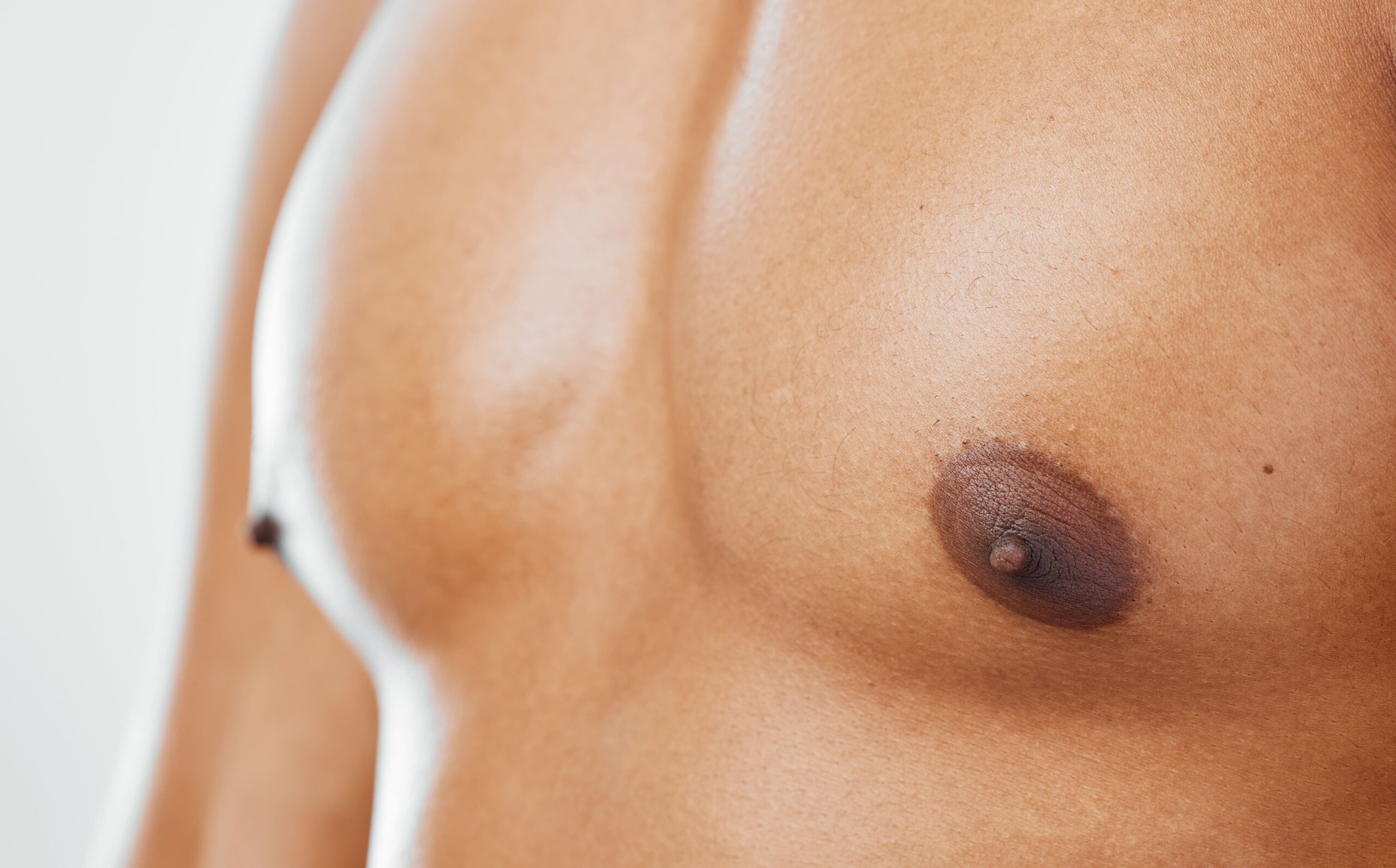
Gynaecomastia Revision Surgery in Singapore

When initial treatment for gynaecomastia does not deliver the intended outcome, revision surgery may be considered. If you notice fullness, unevenness, or visible irregularities months after your first surgery, corrective pathways are available in Singapore through a qualified plastic surgeon with experience in complex chest procedures.

doctor img
Dr Terence Goh

MBBS

MMed

MRCS

FAMS

Image guy holding his fat in hand and stay near window 2026 03 09 07 11 36 utc (1) Image guy holding his fat in hand and stay near window 2026 03 09 07 11 36 utc (1)

What is Revision Gynaecomastia Surgery?

Revision gynaecomastia surgery is a secondary procedure performed to address results from an initial surgery that did not meet clinical or aesthetic expectations. This addresses the specific issues that remain after the first attempt.

Some men present for revision with concerns that their chest still feels full or firm. Others notice that one side looks different from the other. Some describe visible dents, bumps, or an overall appearance that does not look natural. These concerns may point to residual glandular tissue, incomplete fat removal, or contour irregularities.

The purpose of revision surgery is to work towards the flatter, more proportionate chest contour that the primary surgery aimed to achieve. For men living with persistent gynaecomastia symptoms despite having undergone treatment, this procedure represents a pathway towards the outcome they originally sought.

How Does Revision Gynaecomastia Surgery Correct Previous Results?

Revision surgery addresses the anatomical shortcomings left behind by the initial procedure. The specific corrective approach depends on what occurred during the first time. Some cases involve residual breast tissue that may require excision. Others need fat removal through liposuction. Many situations demand a combination of techniques along with skin management.

Revision surgery is technically demanding because the first surgery changed the tissue planes within the chest. Scar tissue now exists where none previously did. Blood supply patterns may have shifted. The breast tissue that remains is often encased in fibrous scarring, making it harder to identify and remove cleanly.

Dr Terence Goh, whose practice encompasses complex gynaecomastia cases alongside reconstructive microsurgery, approaches revision surgery with the meticulous tissue handling required when working through previously operated tissue.

Incomplete removal of glandular tissue is a common reason for persistent fullness after primary surgery. This is particularly seen when only liposuction was performed, as suction-based techniques cannot remove dense, fibrous breast tissue.

Unlike fatty deposits, residual glandular tissue:

  • Feels firm or rubbery beneath the nipple
  • Does not respond to diet or exercise
  • Requires direct surgical excision to address

During revision, the surgeon accesses the remaining tissue through a small incision, typically placed at the areolar border or within the areolar skin, to minimise visible scarring, removing it carefully whilst preserving sufficient depth beneath the nipple to maintain a natural contour.

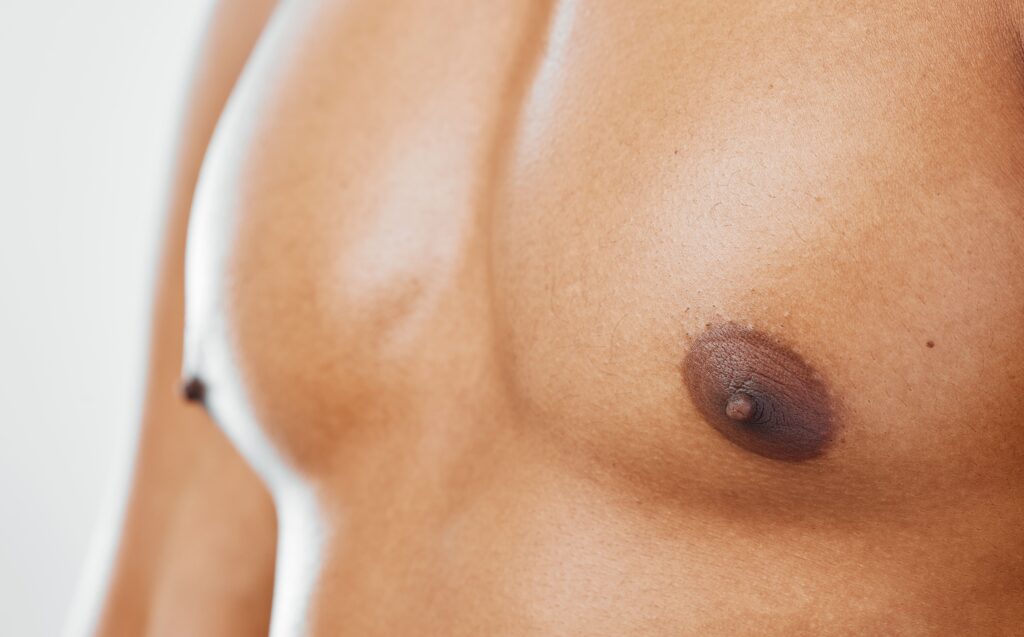
Uneven chest contours present a distinct challenge. You may notice that one side appears flatter whilst the other still seems puffy. Or perhaps both sides are uneven in different ways, with one showing a depression whilst the other has a bump.

Specialists assess these irregularities by examining how tissue is distributed across both sides of the chest. Correction may involve:

  • Removing additional tissue from the fuller side
  • Redistributing fat to fill depressions
  • Fat grafting to add volume to hollow areas

The goal is to achieve bilateral symmetry that appears natural when you stand, move, and wear fitted clothing.

Following primary surgery, the position, projection, or apparent size of one nipple-areolar complex may differ from the other. Contributing factors can include:

  • Uneven tissue removal beneath the nipple on each side
  • Scar tissue formation that differs between sides
  • Pre-existing anatomical variation that became more apparent after swelling resolved

Where residual tissue beneath the nipple-areolar complex is identified, targeted re-contouring may help restore a more balanced appearance. Areolar adjustments, where needed, are assessed individually during your pre-operative consultation.

Excessive tissue removal can create its own set of issues. Rather than appearing flat, the chest may look scooped out or cratered, and the nipple may appear tethered or pulled inward.

This is sometimes referred to as a saucer or crater deformity, where the skin adheres directly to the underlying pectoral muscle following central over-resection.

Correction typically focuses on volumetric restoration through:

  • Fat grafting — your own fat is harvested through liposuction from a donor area and reintroduced into the affected zone
  • Surface blending — careful feathering of the treated area to achieve a smooth transition with the surrounding tissue

The degree of improvement depends on:

  • Extent of the original deformity
  • Skin quality and elasticity
  • Your individual healing response

Something Still Not Right After Surgery?

A specialist assessment can help clarify what your options are and whether revision is appropriate for you.

Considering Gynaecomastia Surgery?
Image chest human body and man in studio to show nipple 2026 03 25 01 46 59 utc (1) Image chest human body and man in studio to show nipple 2026 03 25 01 46 59 utc (1)

Who Should Consider Revision Gynaecomastia Surgery?

Not everyone who feels dissatisfied after gynaecomastia surgery is a candidate for revision. Several clinical criteria help determine who may benefit from a secondary procedure.

First, adequate healing time must have passed since your initial surgery. Healthcare professionals typically recommend waiting at least six to twelve months before considering revision. This waiting period allows swelling to resolve and tissues to settle into their final position. Surgeons will assess readiness individually.

Second, your body weight should be stable. Weight fluctuations can affect chest contour independently of surgical intervention.

Image guy holding his fat in hand and stay near window 2026 03 09 07 09 27 utc (1)

Persistent Fullness or Palpable Tissue After Initial Surgery

A common concern amongst revision candidates is continued firmness beneath the nipple. You can often feel this yourself. Press gently around your nipple-areolar complex. If you detect a rubbery, firm mass that moves slightly with pressure, this may suggest residual glandular tissue, though accurate differentiation from scar tissue requires clinical examination.

Physical examination during a specialist consultation can help determine whether what you feel represents glandular tissue that may require excision or post-surgical scar tissue that may soften over time.

Image take your health into your own hands studio shot 2026 03 25 06 51 09 utc (1)

Visible Asymmetry Between the Left and Right Chest

Asymmetry is one of the more concerning outcomes. When the difference becomes obvious under shirts or during physical activity, it warrants evaluation. The asymmetry may stem from uneven tissue removal, different healing responses between sides, or pre-existing anatomical differences that became more apparent after surgery.

Some degree of natural asymmetry exists in most male chests.

What Does the Pre-Operative Evaluation Involve?

Before proceeding with revision surgery, you will undergo a comprehensive assessment to understand what may be causing your dissatisfaction and how it might be corrected. This evaluation is more detailed than what typically precedes a primary procedure because your anatomy has already been altered.

  • Physical Examination and Tissue Assessment

    Your consultation begins with a thorough physical examination. The specialist examines your chest through observation and palpation. They note:

    • Location and quality of existing surgical scars
    • Amount of tissue remaining on each side
    • Type of tissue present

    By feeling the tissue, the specialist can often distinguish between firm glandular tissue and softer fatty deposits. They evaluate skin elasticity by gently lifting and observing how the skin retracts.

  • Imaging Studies to Map Residual Tissue

    In many revision cases, imaging provides valuable additional information. Ultrasound is commonly used to visualise the tissue beneath your skin. It helps differentiate between residual glandular tissue, remaining fat, and scar tissue formation.

    This distinction matters because each tissue type requires a different approach:

    • Glandular tissue must be excised surgically
    • Fatty deposits can often be addressed with liposuction
    • Scar tissue may need to be released or reshaped
  • Hormonal and Medical History Review

    Sometimes gynaecomastia persists or recurs due to underlying hormonal factors. Elevated oestrogen levels relative to testosterone can stimulate breast tissue growth even after surgery. Certain medications, including some blood pressure drugs, antidepressants, and bodybuilding supplements, can contribute to this imbalance.

    Your medical history review includes a discussion of any medications you take, supplements you use, and any health conditions that might affect hormone levels.

What Happens During Revision Gynaecomastia Surgery?

The revision procedure follows a carefully planned sequence, with each stage building towards the corrective outcome. Compared to primary surgery, revision requires heightened attention to altered tissue planes and the challenges of working through scar tissue.

Anaesthesia and Surgical Preparation

Revision gynaecomastia surgery is typically performed under general anaesthesia, meaning you will be asleep throughout the procedure.

Before surgery begins, safety checks confirm your identity, the planned procedure, and any specific instructions from your consultation. The anticipated duration of revision surgery ranges from one to three hours.

Incision Planning and Scar Tissue Navigation

Strategic incision placement is especially important in revision surgery. Whenever possible, the specialist utilises your existing scars rather than creating new ones. This approach minimises additional scarring whilst providing access to the areas requiring correction.

Navigating through scar tissue requires patience and precision. The tissue planes that existed during your first surgery are now disrupted. The surgeon must carefully identify anatomical landmarks and work through fibrous tissue to reach the structures needing correction.

Tissue Excision and Contouring Techniques

The corrective work typically combines direct excision with liposuction:

  • Direct excision uses a scalpel to remove firm glandular tissue that liposuction cannot address
  • Liposuction removes softer fatty tissue through small cannulas inserted beneath the skin

The balance between these techniques varies based on your presentation. Many revision cases require both methods, along with careful feathering and blending to achieve a seamless transition between the treated area and the surrounding chest.

Layered Closure and Drain Placement

Once the corrective work is complete, the incisions are closed in layers. This layered closure minimises tension on the skin surface, promoting better scar healing. Internal sutures secure the deeper tissues, whilst superficial sutures or skin adhesive close the visible incision.

Following closure, a compression garment with surgical foam padding is applied. Dr Goh’s technique for gynaecomastia surgery has evolved to a drainless approach; strict adherence to post-operative compression protocols supports recovery and helps manage fluid accumulation

What is the Recovery Process After Revision Surgery?

Recovery from revision surgery follows a trajectory similar to primary gynaecomastia surgery, though your experience may differ based on the extent of correction performed and your body’s healing response.

Immediate Post-Operative Period

The first week focuses on rest and wound protection. You will:

  • Wear a compression garment continuously to reduce swelling and support healing tissues
  • Experience mild to moderate soreness managed with prescribed pain medication
  • Keep incision sites clean and dry as instructed
  • Sleep in a slightly elevated position to manage swelling
  • Avoid raising your arms overhead or engaging in any activities that strain your chest muscles

Many patients take one week away from work and daily responsibilities. Your compression garment and foam dressing will be reviewed at your Day 2 follow-up appointment.

Intermediate Recovery Phase

During weeks two through six, you gradually resume more normal activities. Light walking is encouraged from early in your recovery, as it promotes circulation and healing. Exercise, lifting, and strenuous activities remain restricted.

Compression garment use continues, often for four to six weeks total. Swelling diminishes gradually over this period, though some puffiness often persists longer than patients expect.

You may return to desk work as soon as you feel comfortable, typically within three to five days. Jobs involving physical labour require longer recovery, often four to six weeks before returning to full duties.

Long-Term Healing and Final Results

The appearance of your chest continues to evolve for several months after surgery:

  • Swelling fully resolves over three to six months
  • Scar tissue beneath the skin softens and matures over six to twelve months
  • Surgical scars appear red or pink initially, then gradually fade towards your natural skin tone

Scar massage and silicone products, when recommended by your specialist, support scar maturation. Assessment of your revision result typically occurs at the one-year mark.

How Does Revision Surgery Compare to Primary Gynaecomastia Surgery?

Understanding the differences between primary and revision procedures helps establish realistic expectations. Revision surgery is not simply repeating the first operation.

  • Increased Technical Complexity

    Operating on previously treated tissue presents distinct technical challenges that differ from those encountered in a primary procedure. The first surgery altered normal tissue planes, which now contain scar tissue. Blood supply patterns may have shifted, and remaining tissue may be more firmly attached than in a primary case. These factors require greater surgical precision and are discussed in detail in the procedure section above. This increased complexity explains why revision gynaecomastia surgery is often performed by surgeons with specific experience in complex or secondary chest procedures.


  • Differences in Surgical Approach

    The techniques employed in revision often differ from those used in primary surgery. A first procedure that relied primarily on liposuction may not have addressed glandular tissue. The revision, therefore, may require direct excision. Conversely, a primary surgery that over-resected tissue, creating depressions, may require fat grafting during revision to restore volume. The revision approach is tailored specifically to address what occurred previously.

  • Recovery Considerations

    Recovery timelines vary between primary and revision procedures. Some patients find revision recovery comparable to their first surgery. Others experience more prolonged swelling or discomfort due to the additional tissue manipulation involved in working through scar tissue. Your specialist will provide guidance on what to expect based on the specific revision techniques planned for your case.

Clinical Aims and Potential Benefits of Revision Surgery

Revision gynaecomastia surgery aims to achieve specific physical improvements whilst acknowledging the limitations imposed by your previous surgery and individual anatomy.

Improved Chest Contour and Symmetry

The primary aim is working towards a flatter, more masculine chest appearance. This includes achieving better symmetry between your left and right sides. The degree of improvement possible depends on factors including your skin quality, the amount of tissue present, and the extent of previous surgical alterations.

Many patients report improvement in chest contour following revision surgery, though the degree of change depends on individual anatomy and the extent of previous surgical alterations.

Correction of Visible Irregularities

Specific deformities identified during your evaluation become direct targets for correction:

  • Residual fullness beneath the nipple may be reduced through excision
  • Contour deformities may be addressed through targeted tissue management, as assessed during your evaluation
  • Asymmetry may be addressed through selective tissue removal or addition

The visible irregularities that prompted you to seek revision surgery become the measurable outcomes by which success is evaluated.

Functional and Psychological Considerations

Beyond appearance, revision surgery may improve physical comfort. Some men with residual tissue experience sensitivity, tenderness, or awareness of the tissue during exercise. Correction can help alleviate these symptoms.

Whilst revision surgery is undertaken for physical correction, achieving the intended result may contribute to improved confidence and self-perception.

Considering revision surgery?

Our plastic surgeon can guide you through every recovery milestone with individualised care.

Considering Gynaecomastia Surgery?

Safety Profile and Risk Management in Revision Surgery

General Surgical Risks

All surgical procedures carry risks. Revision surgery involves additional considerations related to operating on previously treated tissue.

Standard surgical risks apply to revision gynaecomastia surgery:

  • Bleeding
  • Infection
  • Poor wound healing

Seroma (fluid accumulation), contour irregularities, persistent or new asymmetry, sensory changes around the nipple-areolar complex, and — where fat grafting is performed — fat necrosis or cyst formation.

Your surgeon will discuss the specific risks applicable to your planned revision approach during your pre-operative consultation.

Managing Patient Expectations

An important risk management strategy involves establishing realistic expectations before surgery. Revision surgery can achieve significant improvement, but cannot create a perfect outcome in every case.

Frequently Asked Questions About Gynaecomastia Revision Surgery in Singapore

Why did my first gynaecomastia surgery not achieve the desired result?

Common causes include incomplete glandular tissue removal, inadequate fat extraction, or unfavourable scar tissue formation. Some cases involve improper patient selection or unrealistic initial expectations.

How long should I wait before considering revision surgery?

Healthcare professionals typically recommend waiting at least twelve months. This allows complete resolution of swelling and tissue settling.

Will revision surgery leave more visible scars?

Existing incisions are typically utilised to avoid additional scars. Scar management protocols, including silicone products and massage, support healing.

Is revision surgery more uncomfortable than the first procedure?

Both procedures are done under general anaesthesia. Post-operative discomfort experiences vary individually. Your plastic surgeon can prescribe pain management to address postoperative soreness.

Can liposuction alone correct my results?

Liposuction alone may be sufficient when the issue is purely fatty tissue. Residual glandular tissue requires direct excision.

Can the MELT procedure be used for revision surgery?

In suitable cases, the MELT technique may be applicable to revision procedures — particularly where residual glandular tissue is the primary concern. Our surgeon will assess whether this approach is appropriate based on your specific anatomy and previous surgical history.

How do I choose a specialist for revision surgery?

Seek surgeons with documented experience in complex chest procedures or revision cases. Relevant accreditation and willingness to discuss previous revision outcomes are reasonable selection criteria.

Will my chest ever look completely normal?

The realistic goal is significant improvement rather than perfection. Pre-existing anatomical factors and limitations from previous surgery influence outcomes. Many patients report improvements that support a more comfortable daily life, and some describe increased confidence as a result.

Will skin tightening leave visible scars?

When skin excision is required, longer incisions are used compared to standard revision approaches. Scar placement and management are discussed during your pre-operative consultation, where the trade-off between contour improvement and scar length is explained.

Conclusion

Revision gynaecomastia surgery can be a complex undertaking, but for men who have not achieved the outcome they sought, it represents a considered next step. The results depend on individual anatomy, the extent of previous surgery, and how the body heals — factors that are assessed carefully before any corrective procedure is planned.

Follow-up appointments during the first year allow the surgeon to monitor scar maturation and tissue settling, with weight stability and hormonal management supporting long-term outcomes where relevant.

Your journey to confidence continues with appropriate care.

Dr Terence Goh provides consultation and surgical care for patients exploring revision options, with a focus on thorough assessment and personalised surgical planning.

Considering Gynaecomastia Surgery?
Dr. Terence Goh - AZATACA Plastic Surgery

Dr Terence Goh

Choosing to combine the intricate skills of microsurgery with aesthetic surgery, Dr Goh specialises in gynaecomastia, surgery of the Asian face, particularly Asian eyelid surgery and rhinoplasty.

Blending the precision of microsurgery with the artistry of aesthetic surgery, Dr Goh has a special interest in gynaecomastia, facial procedures, including ptosis and eyelid surgery, as well as rhinoplasty.

He also offers a full range of body contouring procedures such as mummy makeovers, breast augmentation, liposuction, and body sculpting—designed to help patients feel more confident and comfortable in their own skin.

Beyond aesthetics, Dr Goh remains active in reconstructive microsurgery, with expertise in breast reconstruction, head and neck reconstruction, and lower limb salvage—restoring both form and function where it’s needed most.

  • Bachelor of Medicine, Bachelor of Surgery, National University of Singapore
  • Master of Medicine, National University of Singapore
  • Member of the Royal College of Surgeons
  • Fellow of the Academy of Medicine, Singapore (Plastic Surgery)

Ready to Take the Next Step?

Consult Dr Terence Goh to discuss whether it’s the right choice for your needs and to explore your treatment options.

    Azataca-AZATACA Plastic Surgery (NOVENA)

    AZATACA Plastic Surgery (NOVENA)

    Mon – Fri 9:00am – 6:00pm
    Sat 9:00am – 1:00pm
    Sun & PH Closed
    AZATACA Plastic Surgery GLENEAGLES

    AZATACA Plastic Surgery (GLENEAGLES)

    Mon – Fri 9:00am – 5:00pm
    Sat 9:00am – 1:00pm
    Sun & PH Closed