
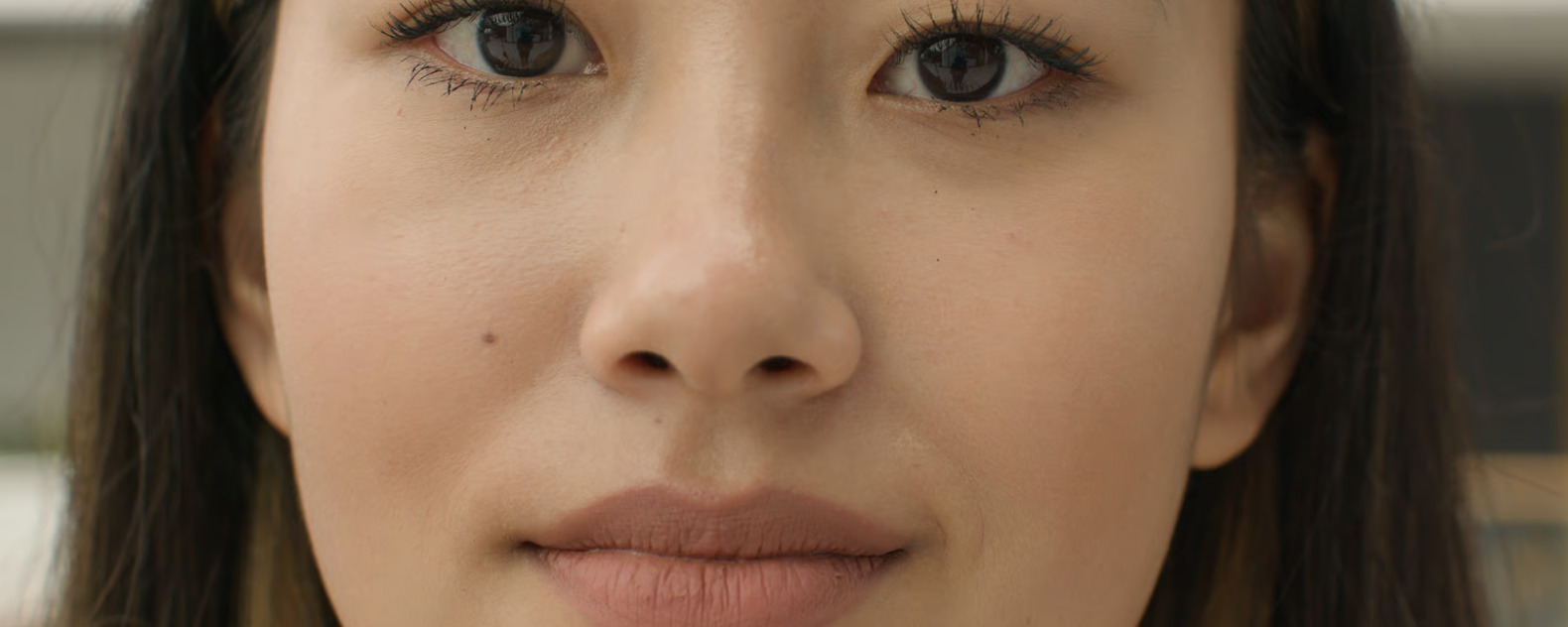

Thicker skin, weaker cartilage, and widely spaced dome structures are the three anatomical factors that make the bulbous nasal tip a technically demanding concern in Asian rhinoplasty.
Many Asian patients who ask about a “bulbous nose” are concerned about the lower third of the nose — the nasal tip, nostrils, and alar base. Tip plasty is a rhinoplasty technique that focuses on refining this area by reshaping the lower lateral cartilages, improving tip support, and managing soft tissue fullness.
The nasal tip is supported by paired lower lateral cartilages, also known as alar cartilages, which influence tip shape, projection, and definition. In many Asian noses, these cartilages may be weaker, shorter, or more widely spaced. When combined with thicker sebaceous skin and fibrofatty soft tissue, the tip can appear rounded, broad, boxy, or poorly defined.
In suitable patients, tip plasty can improve nasal tip definition without changing the entire nose or significantly altering the bridge. However, when a bulbous tip is associated with a low bridge, weak projection, wide nostrils, thick skin, or a broad alar base, tip refinement may need to be planned as part of a more comprehensive Asian rhinoplasty. The goal is not to create an overly sharp or Westernised nose, but to improve definition, support, and balance while preserving natural facial proportions.
Anatomical Factors Creating the Bulbous Tip
The bulbous appearance results from multiple contributing factors working together.
- Cartilage characteristics: These play a primary role. Asian lower lateral cartilages tend to be shorter in vertical height, wider in their dome angles, and less resilient. The domes, which are the highest points of the paired cartilages that create tip definition, often sit far apart, creating a broad, flat tip without central refinement.
- Skin thickness: This compounds the concern significantly. Thicker skin with abundant sebaceous glands cannot drape tightly over underlying cartilage structures. Even well-shaped cartilage frameworks may become obscured beneath this skin envelope. This thickness varies across different areas of the nose, typically being thickest at the tip and supratip regions.
- Soft tissue bulk: Excess fibrofatty tissue in the tip region contributes volume that surgery must address separately from cartilage reshaping.
Surgical Techniques for Tip Refinement
Several established techniques address the bulbous tip, often used in combination based on individual anatomy.
Cephalic Trim
This technique removes a strip of cartilage from the upper (cephalic) margin of the lower lateral cartilages. By narrowing the cartilage width whilst preserving a minimum strip for structural support, surgeons aim to reduce tip volume and create a more refined appearance. The preserved cartilage strip must maintain adequate width, typically at least 6mm, to prevent long-term weakening and collapse. Many surgeons prefer to leave 6-8mm, depending on individual cartilage strength and quality.
Dome Suturing Techniques
Interdomal sutures bring the paired dome cartilages closer together, aiming to narrow the tip and adjust definition. Transdomal sutures reshape each individual dome, which is designed to support sharper angles and improved projection. These suturing methods provide refinement while intending to preserve native cartilage tissue and minimise changes to structural integrity.
Cartilage Grafting
Weaker Asian cartilage often requires structural augmentation rather than reduction alone. Columellar strut grafts, placed between the medial crural cartilages, provide foundational support and may improve tip projection. Shield grafts placed at the tip are designed to create definition points that can show through thicker skin layers. Cap grafts add projection whilst softening visible edges. Graft sources include septal cartilage (preferred when available), ear cartilage (conchal or cymba), and occasionally rib cartilage for more substantial reconstruction.
Soft Tissue Management
Defatting involves careful removal of excess soft tissue beneath the skin to reduce tip bulk directly. This must be performed conservatively to manage skin damage, scarring, or irregularities. Some surgeons administer corticosteroids postoperatively to further address soft tissue swelling and thickness, though this carries risks of skin thinning if overused.
Open Versus Closed Approach
Tip plasty procedures may use either open or closed surgical approaches, each with distinct features.
The open approach involves a small incision across the columella (the tissue between the nostrils) combined with internal incisions. This provides direct visualisation of cartilage structures, precise graft placement, and accurate suturing. The external incision typically resolves over several months into a fine line, though individual scarring outcomes vary. Complex tip work generally benefits from open technique visibility.
The closed approach uses only internal incisions, avoiding an external skin incision. Surgeons work through limited access, manipulating cartilage through tunnels created within the nose. While this avoids external scarring and may decrease initial swelling duration, it limits direct visualisation and makes complex reconstructive work more challenging. Simpler refinements may be suitable for the closed technique.
Limitations of Tip Plasty
Tip plasty can improve nasal tip shape, support, and definition, but it cannot completely change skin thickness. Patients with thick, sebaceous skin may achieve a softer and more natural refinement rather than a sharply defined tip. If nostril flare, low bridge height, or weak projection are major contributors, tip plasty alone may not be sufficient and may need to be combined with other rhinoplasty techniques.
What to Expect During Recovery
Tip plasty recovery follows a general pattern, though individual variation exists.
- Initial healing (weeks 1-2): Splints remain in place for approximately one week. Swelling and bruising typically peak around days 2-3, then gradually improve. Many patients return to desk work within 7-10 days. The tip may appear significantly swollen and upturned during this phase.
- Early recovery (weeks 2-8): Major swelling resolves, though the tip may remain noticeably swollen compared to final results. Residual bruising fades. Normal daily activities resume, though contact sports and strenuous exercise remain restricted.
- Intermediate healing (months 2-6): Tip swelling continues resolving gradually. Patients may notice progressive refinement as tissue settles. The tip softens from initial firmness.
- Long-term settling (months 6-18): Final tip shape emerges as remaining swelling resolves. Thick Asian skin typically requires longer settling time than thinner skin types. Complete results may not be apparent until 12-18 months postoperatively.
Did You Know?
The nasal tip typically heals slower than other nasal tissues in rhinoplasty. Blood supply to the tip is more limited than the bridge, and the thick skin envelope characteristic of many Asian noses retains fluid longer than thinner skin types.
Factors Affecting Results
Several variables influence tip plasty outcomes beyond surgical technique alone.
Skin quality remains a significant limiting factor. Extremely thick, sebaceous skin may not fully reveal fine cartilage work regardless of the technique’s precision. Surgeons discuss realistic expectations based on individual skin characteristics. Thinner skin tends to show refinements more readily but may also reveal irregularities more easily.
Cartilage strength determines what structural changes are possible and sustainable. Weaker cartilage may require more extensive grafting to achieve and maintain the desired shape. Stronger native cartilage may allow reshaping through suturing alone in some cases.
Healing characteristics vary individually. Some patients form more scar tissue internally, which can affect long-term shape. Previous nasal surgery or trauma may alter healing patterns.
Patient anatomy and goals must align with anatomical possibilities. Dramatic narrowing of an extremely wide tip with very thick skin may not produce the imagined result.
Proportional improvement within anatomical constraints defines realistic outcomes.
Combining Tip Plasty with Other Procedures
Tip plasty frequently accompanies other rhinoplasty components for comprehensive nasal reshaping.
Bridge augmentation using silicone implants or cartilage grafts addresses the low dorsum common in Asian noses. Balancing bridge height with tip refinement creates facial harmony. An augmented bridge without tip work may make an untreated bulbous tip more noticeable.
Alar base reduction (alarplasty) narrows wide nostrils or flared alar bases. This involves removing small wedges of tissue at the nostril base. Tip refinement alone cannot address nostril width.
Septoplasty corrects deviated septa, causing breathing obstruction. When performed simultaneously, the septal cartilage removed during septoplasty provides graft material for tip work.
Revision Considerations
Some tip plasty procedures require revision surgery to optimise outcomes. Reasons include:
- Residual asymmetry becoming apparent after swelling resolves
- Undercorrection where more refinement is desired
- Overcorrection causing pinched or unnatural appearance
- Graft visibility or displacement
- Scar tissue affecting shape
Revision surgery typically waits until full healing occurs, usually a minimum of 12 months. Secondary procedures are generally more complex than primary surgery due to scar tissue, altered blood supply, and reduced cartilage availability.
Important Note
Selecting a specialist registered with local medical authorities who has specific experience in ethnic rhinoplasty can support proper surgical planning. Asian nasal anatomy requires distinct techniques that differ substantially from approaches developed for other populations.
Preparation Steps for Tip Plasty
Discontinue blood-thinning medications and supplements as directed, typically two weeks preoperatively. This includes aspirin, ibuprofen, vitamin E, fish oil, and certain herbal supplements.
Stop smoking completely for several weeks before and after surgery. Nicotine impairs blood flow, which is important for healing, particularly at the tip, where circulation is already limited.
Arrange recovery support, including transportation home and assistance for the first few days. Plan time off work and clear your schedule of obligations.
Prepare your recovery space with head elevation supplies, prescribed medications filled in advance, and soft foods requiring minimal chewing.
Complete all preoperative appointments, including medical clearance if required and final surgical planning consultations.
When to Seek Professional Help
- Persistent nasal tip dissatisfaction affecting self-confidence
- Breathing difficulties accompanying tip shape concerns
- Previous rhinoplasty results requiring refinement
- Desire for ethnic-specific rhinoplasty expertise
- Questions about whether tip plasty alone addresses your concerns versus comprehensive rhinoplasty
Commonly Asked Questions
Is Tip Plasty Enough for a Bulbous Asian Nose?
Tip plasty may be enough when the main concern is limited to the nasal tip — for example, widely spaced domes, mild cartilage convexity, or soft tissue fullness. However, in many Asian noses, a bulbous tip may coexist with a low bridge, weak tip support, short nose, wide alar base, or nostril flare. In these cases, isolated tip plasty may improve definition but may not fully balance the nose. A complete assessment should consider the bridge, tip projection, alar base width, nostril shape, and facial proportions together.
How long does tip plasty surgery take?
Isolated tip plasty typically requires 1.5-2.5 hours, depending on complexity. When combined with bridge work or other procedures, operative time extends accordingly. The procedure is performed under general anaesthesia or deep sedation in accredited surgical facilities.
Will tip plasty affect my breathing?
Tip plasty focuses on external appearance rather than internal airway structures. When performed appropriately, breathing generally remains unchanged or may potentially improve if structural grafting addresses valve areas. Concurrent functional concerns can be addressed during the same surgery.
How visible is scarring from open tip plasty?
The columellar incision typically heals as a fine line that becomes difficult to see at conversational distance within several months. Individual scarring characteristics vary, though problematic visible scarring is uncommon when incisions are properly placed and closed.
Can tip plasty results look natural on Asian faces?
Ethnically appropriate tip plasty aims for refined but natural-appearing results that maintain Asian facial harmony. Overly narrowed or projected tips that ignore ethnic characteristics may appear artificial. Ethnic rhinoplasty that accounts for individual anatomy may produce enhancement whilst preserving natural appearance.
At what age can tip plasty be performed?
Nasal growth typically completes by approximately age 15 in females and 17 in males. Surgery before growth completion risks further changes that may alter surgical results. Adult patients of any age are candidates, assuming good general health.
Next Steps
Skin thickness remains a primary factor influencing achievable refinement. Thick, sebaceous skin may obscure even technically precise cartilage work, and final results may not be fully visible for 12 to 18 months. When tip plasty is combined with procedures such as bridge augmentation or alarplasty, each component must be planned in relation to the others to ensure global symmetry. Revision surgery, if required, cannot be reasonably undertaken until at least 12 months have passed after the primary procedure.
If you have a rounded or poorly defined nasal tip or are concerned about tip asymmetry following a previous rhinoplasty, consulting an accredited plastic surgeon registered under Singapore’s medical regulatory frameworks can help clarify the surgical options suited to your anatomy and goals.
