
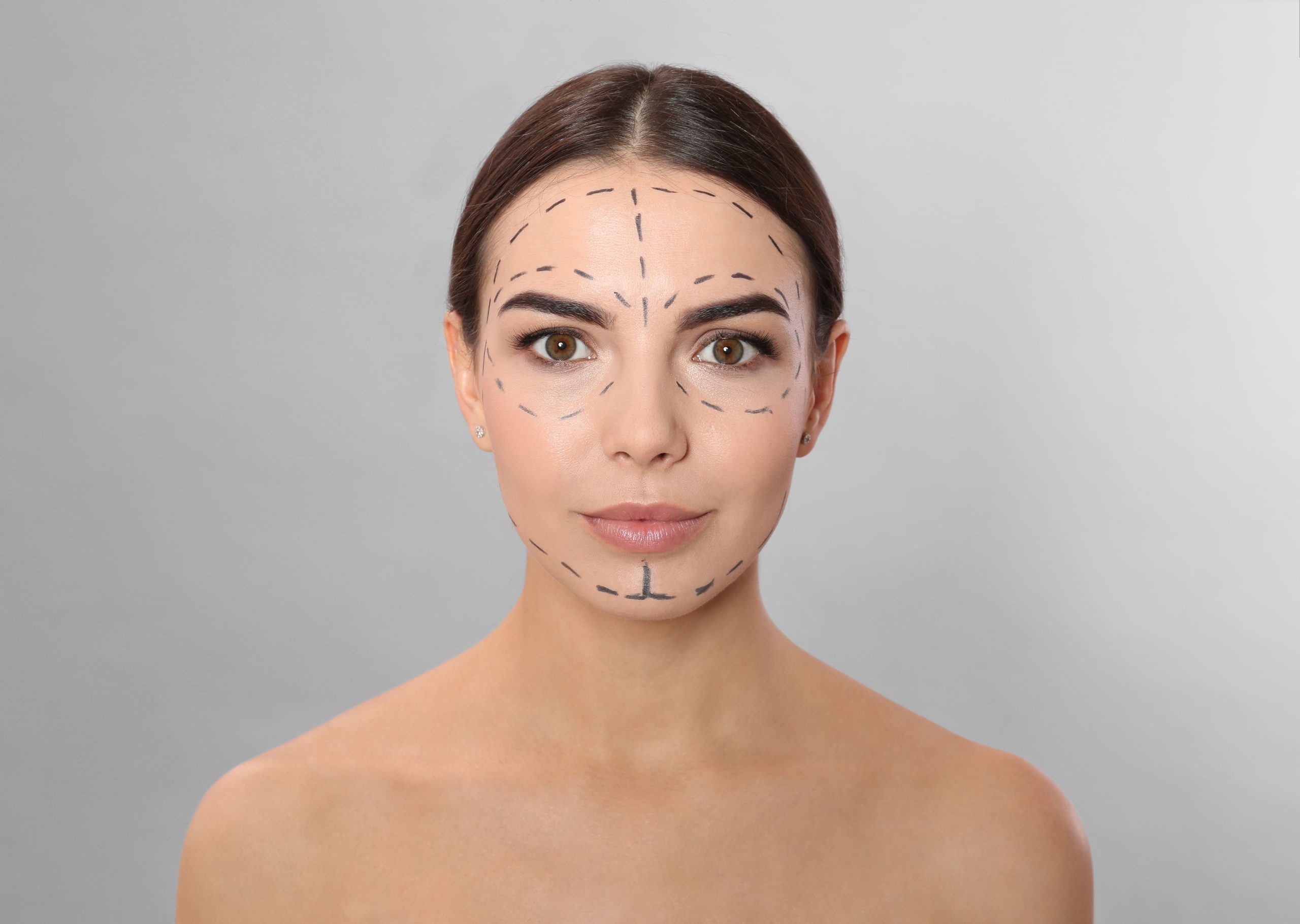

Plastic surgery takes its name from the Greek word “plastikos,” meaning to mould or shape, a distinction that reveals why conflating it with cosmetic surgery leads to confusion about what each discipline actually does.
Many patients use the terms plastic surgery and cosmetic surgery interchangeably, but they are not exactly the same. Plastic surgery is a recognised surgical specialty that includes both reconstructive surgery and aesthetic surgery. Reconstructive surgery aims to restore form and function after trauma, cancer, congenital conditions, burns, or disease, while cosmetic surgery generally refers to procedures performed primarily to improve appearance, proportion, or age-related changes.
The distinction matters because some procedures sit between both categories. Eyelid surgery may be performed to improve vision obstruction or to rejuvenate the eyes. Rhinoplasty may address breathing issues, nasal deformity, or aesthetic concerns. Breast reduction may be performed for physical symptoms, body proportion, or both. Understanding where your concern falls helps guide the choice of surgeon, the assessment required, and the goals of treatment.
Defining Plastic Surgery
Plastic surgery derives its name from the Greek word “plastikos,” meaning “to mould or shape,” not from plastic materials, as commonly assumed. This surgical speciality addresses structural abnormalities caused by birth defects, developmental conditions, trauma, burns, infections, tumours, or disease.
The scope of plastic surgery includes cleft lip and palate repair, hand surgery for congenital malformations or injuries, breast reconstruction following mastectomy, burn wound management with skin grafting, and microsurgical tissue transfer. Functional restoration remains the primary goal, though aesthetic outcomes are carefully considered during surgical planning.
Plastic surgeons complete substantial training in wound healing, tissue transfer techniques, and the management of complex anatomical problems. Their work often intersects with other specialities, collaborating with oncologists for cancer reconstruction, orthopaedic surgeons for hand trauma, and paediatricians for childhood conditions.
Defining Cosmetic Surgery
Cosmetic surgery generally refers to procedures performed primarily to enhance appearance, proportion, symmetry, or age-related changes, rather than to treat disease, trauma, or functional impairment.Procedures aim to improve proportion, symmetry, and overall appearance according to patient preferences and anatomical possibilities.
Common cosmetic procedures include rhinoplasty for nasal reshaping, blepharoplasty for eyelid rejuvenation, facelift surgery, breast augmentation or reduction for aesthetic purposes, liposuction, and abdominoplasty. These surgeries address concerns about ageing, body contour, or features patients wish to modify.
Unlike reconstructive procedures, cosmetic surgeries are elective and performed on normal anatomy. The surgical approach centres on refinement rather than restoration, requiring detailed aesthetic assessment and clear communication about achievable outcomes.
Training Pathways and Qualifications
In Singapore, plastic surgeons are required to obtain specialist accreditation from the Specialists Accreditation Board (SAB) and register on the Register of Specialists with the Singapore Medical Council (SMC) before practising in this capacity. This pathway follows medical school, basic surgical training, and a formal speciality residency covering both reconstructive and aesthetic surgery.
Plastic surgeons listed on the medical council’s specialist registry are documented to have met the specific training and competency standards set by the relevant local regulatory bodies. The distinction becomes important because qualification pathways vary globally. Patients are advised to verify their surgeon’s credentials on official national registries before proceeding with any clinical procedure.
💡 Did You Know?
Plastic surgery techniques developed significantly during World War I to treat soldiers with severe facial injuries. Sir Harold Gillies, widely regarded as the father of modern plastic surgery, established Queen’s Hospital at Sidcup in June 1917, where his team performed over 11,000 facial reconstruction operations. The reconstructive methods developed there formed the foundation for both reconstructive and aesthetic procedures used today.
Procedures That Bridge Both Categories
Several procedures serve both reconstructive and cosmetic purposes depending on clinical circumstances. Rhinoplasty may correct breathing difficulties from a deviated septum while simultaneously improving nasal appearance. Breast reduction may help relieve back pain and skin irritation while also aiming to achieve aesthetic goals.
Blepharoplasty is designed to address excess eyelid skin that obstructs vision in some patients while serving purely cosmetic purposes in others. Abdominoplasty may reconstruct abdominal wall integrity after significant weight loss or pregnancy while also improving contour.
The classification often depends on medical necessity. When a procedure addresses functional impairment or physical symptoms, it falls under reconstructive surgery. The same technical procedure performed for aesthetic enhancement alone constitutes cosmetic surgery. This distinction may affect treatment planning and the overall surgical approach.
Surgical Planning Differences
Reconstructive surgery planning begins with assessing the defect’s impact on function and identifying available donor tissues for reconstruction. Surgeons consider wound healing factors, previous treatments, and how to achieve the most functional and aesthetically acceptable result possible.
Cosmetic surgery planning focuses on detailed aesthetic analysis, evaluating facial proportions, body contours, and how specific modifications aim to achieve the patient’s goals. Photography, computer imaging, and thorough discussions help align expectations with realistic outcomes.
Both approaches require comprehensive preoperative assessment, but the endpoints differ. Reconstructive success typically means aiming for restored function with acceptable appearance; cosmetic success generally involves an enhanced appearance that meets the patient’s aesthetic goals.
When Reconstruction Becomes Cosmetic
Patients initially requiring reconstructive surgery often seek cosmetic refinements once healing is complete. Breast reconstruction patients may later desire symmetry procedures or nipple reconstruction. Cleft lip patients might pursue revision rhinoplasty as adults.
This progression reflects the interconnected nature of form and function. Effective reconstruction often creates the foundation for subsequent aesthetic refinement. Plastic surgeons trained in both disciplines can guide patients through this continuum of care.
Choosing Between Specialists
For conditions involving functional impairment, congenital abnormalities, trauma, or disease-related defects, a plastic surgeon with reconstructive experience is appropriate. These cases require familiarity with tissue healing, flap techniques, and managing complex anatomical problems.
For aesthetic enhancement of normal anatomy, patients may consult surgeons specialising in cosmetic procedures. However, many plastic surgeons practice both reconstructive and cosmetic surgery.
Considerations include the surgeon’s specific experience with your planned procedure, their professional registration status, and facility accreditation. Reviewing documentation of past case patterns can help align expectations, provided patients understand that individual anatomical responses and healing rates vary significantly.
⚠️ Important Note
Any surgical procedure carries risks including infection, bleeding, scarring, and anaesthetic complications. Patients should disclose their complete medical history, current medications, and lifestyle factors during consultation to enable proper risk assessment.
Recovery Expectations
Reconstructive surgery recovery varies significantly based on procedure complexity. Major tissue transfers may require extended hospitalisation and months of rehabilitation. Simpler procedures might allow return to normal activities within weeks.
Cosmetic surgery recovery depends on the procedure. Facial procedures typically involve swelling and bruising lasting one to three weeks. Body contouring may require several weeks before resuming physical activities. Final results often take months to fully manifest as tissues settle and scars mature.
Both types require adherence to postoperative instructions, including wound care, activity restrictions, and follow-up appointments.
Preparing for Your Consultation
- Gather relevant medical records: Include previous surgical reports, imaging studies, and current medication lists. For reconstructive consultations, bring documentation of your condition’s history and any treatments received.
- Document your concerns specifically: Photograph areas you wish to address and list your goals in order of priority. Clear communication helps surgeons evaluate your physical expectations and explain potential clinical approaches.
- Prepare questions about the surgeon’s experience: Ask about their experience with your specific procedure, approach to complications, and revision policies. Understanding the complete treatment pathway, including possible secondary procedures, enables informed decision-making.
- Consider the consultation a two-way assessment: You evaluate the surgeon’s communication style and comfort level with their approach, while they assess your suitability for surgery.
When to Seek Professional Help
- Functional impairment from structural abnormalities affecting breathing, vision, or movement
- Congenital conditions present from birth, requiring surgical correction
- Trauma or burns causing tissue loss or scarring that affects function or appearance
- Post-cancer reconstruction needs follow-up after tumour removal
- Significant weight loss resulting in excess skin, causing hygiene issues or physical discomfort
- Aesthetic concerns affecting quality of life or psychological well-being
- Uncertainty about whether your concern requires reconstructive or cosmetic intervention
Commonly Asked Questions
Can one surgeon perform both reconstructive and cosmetic procedures?
Plastic surgeons trained in accredited programmes learn both reconstructive and cosmetic techniques. Many practise across the full spectrum, while some focus primarily on one area. Verify your surgeon’s specific experience with your planned procedure, regardless of their overall specialisation.
Does the reconstructive versus cosmetic classification affect costs?
This classification may influence overall costs and payment structures. Reconstructive procedures addressing medical necessity may have different considerations than elective cosmetic procedures. Discuss all costs, including facility fees, anaesthesia, and potential revision surgeries, during consultation.
How do I know if my concern is reconstructive or cosmetic?
If your condition causes functional problems such as difficulty breathing, impaired vision, or physical discomfort, it likely requires reconstructive assessment. Concerns purely about appearance without functional impact fall under cosmetic surgery. Some situations involve both elements, which your surgeon can clarify during consultation.
What questions should I ask during a consultation?
Ask about the surgeon’s training and certification, their specific experience with your procedure, expected outcomes, potential complications, recovery timeline, and what happens if results do not meet expectations. Request to see before-and-after photographs of similar cases.
Is plastic surgery vs cosmetic surgery a meaningful distinction for patients?
Understanding this distinction helps patients find appropriate specialists and set realistic expectations. Someone needing breast reconstruction after a mastectomy has different needs than someone seeking breast augmentation for cosmetic reasons, even though both may consult the same plastic surgeon.
Next Steps
Plastic surgery addresses functional impairment and structural defects, while cosmetic surgery focuses on the aesthetic enhancement of normal anatomy. Select procedures, including rhinoplasty, blepharoplasty, and breast reduction, can serve both parameters depending on clinical necessity. Verifying a surgeon’s formal registration status and specific background applies across both fields.
If you are experiencing functional impairment from a structural abnormality, require post-cancer reconstruction, or are exploring options for elective cosmetic procedures, scheduling a clinical consultation with an accredited plastic surgeon registered under Singapore’s medical regulatory frameworks can help clarify the treatment options available for your specific anatomy.
