Ageing Eyelid Surgery in Singapore

Last Reviewed: 21 Sept 2026

Eyes that look tired even after a full night’s sleep are a common cosmetic concern in Singapore. An age-related eyelid surgery addresses specific anatomical changes around the eyes. Whether the concern is functional, aesthetic, or both, a plastic surgeon’s assessment can help determine whether surgery is appropriate.

doctor img
Dr Terence Goh

MBBS

MMed

MRCS

FAMS

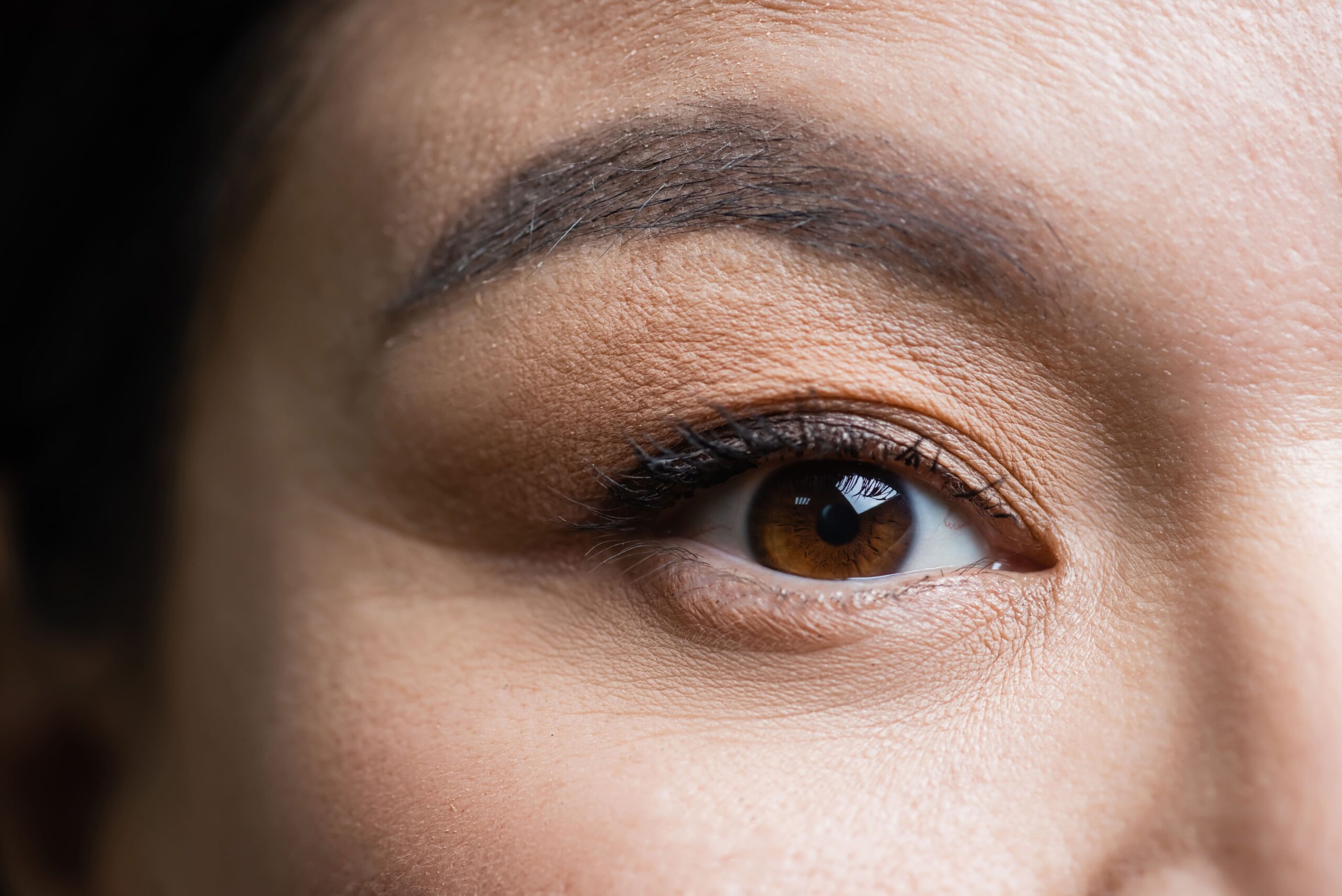
Image partial view of asian woman looking at camera eye 2026 04 01 17 31 31 utc (1) Image partial view of asian woman looking at camera eye 2026 04 01 17 31 31 utc (1)

What is Age-Related Eyelid Surgery?

Age-related eyelid surgery, also known as blepharoplasty, addresses the natural changes that occur in your eyelids over time. As you age, the delicate skin around your eyes loses elasticity. The underlying muscles weaken. Fat pads that once stayed neatly in place begin to bulge or shift.

These changes can affect more than your appearance. You might find yourself constantly lifting your eyebrows to see clearly. Excess skin on the upper eyelid may actually droop into your field of vision.

This surgery addresses both the functional and aesthetic aspects of ageing around the eyes. It may help restore a more natural contour to your eyelids whilst potentially improving your ability to see comfortably. Whether you are concerned about how you look in photos or struggling with genuine visual obstruction, blepharoplasty may offer an option to address both form and function.

How Does Eyelid Surgery Address Ageing Around the Eyes?

Understanding how your eyelids change with age helps explain why surgery can be effective. The area around your eyes undergoes several distinct anatomical changes over the decades.

Dermatochalasis refers to the excess, loose skin that develops on your upper eyelids (what you might describe as “baggy” eyes). The skin simply has more surface area than the underlying structure can support, causing it to fold over your natural eyelid crease.

Fat pad herniation occurs when the orbital fat that normally cushions your eyeball begins to push forward. This creates the “puffy” appearance many people notice beneath their lower eyelids. The thin membrane that holds this fat in place weakens with age, allowing it to bulge outward. The tear trough ligament, a structural band at the lid-cheek junction — can also contribute to this appearance by acting as a restraint that causes fat to bulge above it

Orbicularis oculi laxity describes the weakening of the circular muscle that surrounds your eye. This muscle helps you blink and squint. As it loses tone, it contributes to the overall droopy appearance.

Blepharoplasty addresses these specific tissue-level changes through precise surgical techniques tailored to your individual anatomy.

Upper blepharoplasty focuses on the upper eyelid. The surgeon removes excess skin that has accumulated over the years of ageing. In many cases, protruding fat pads are also repositioned or carefully removed.

Successful upper blepharoplasty relies on incision placement. Incisions are placed within the natural supratarsal crease (the fold that forms when you open your eyes). Once healed, scars typically become difficult to discern, as they sit within the natural eyelid fold. Individual healing varies.

The surgical approach is determined by your anatomy, with the aim of achieving a natural appearance where appropriate.


Lower blepharoplasty addresses the puffiness and skin laxity beneath your eyes. Two main approaches exist, and the choice depends on your specific anatomical presentation.

The transconjunctival approach involves making an incision on the inside of the lower eyelid, leaving no visible external scar. This approach allows fat to be repositioned or conservatively managed, with an aim to preserve volume and avoid a hollowed appearance. It is well-suited to patients with fat herniation and good skin elasticity.

The subciliary (transcutaneous) approach places the incision just below the lash line, allowing the surgeon to address both skin laxity and fat repositioning where needed.

Your surgeon will determine which technique suits your anatomy based on pre-operative assessment. The goal is to achieve natural-looking rejuvenation with the least invasive approach appropriate for your condition.

Concerned about changes affecting your vision or confidence?

An assessment by a plastic surgeon can help determine whether eyelid surgery is appropriate for your situation and what it may involve.

Ready for Natural Looking Results?

Who Should Consider Age-Related Eyelid Surgery?

Not everyone who notices changes around their eyes is a suitable candidate for surgery. Many people, though, experience symptoms that warrant professional evaluation.

You might consider consulting a plastic surgeon if you have:

– Heaviness or drooping of the upper eyelids that makes you look tired or aged

– Excess upper eyelid skin that interferes with your side vision or daily activities

– Loose or sagging skin on the lower eyelids

– Persistent puffiness or under-eye bags that do not improve with rest

These everyday observations often correlate with genuine anatomical changes that surgery may address. A formal assessment by a plastic surgeon can confirm whether you are a suitable candidate.

When eyelid ptosis or dermatochalasis causes measurable visual field impairment, blepharoplasty becomes a medically indicated intervention.

Clinical assessment includes formal visual field testing. If excess eyelid tissue blocks a significant portion of your peripheral or superior vision, surgery becomes a functional necessity rather than an elective choice. This distinction matters for understanding the clinical justification for surgical intervention.

The clinical threshold for functional blepharoplasty typically involves documented visual field obstruction that affects daily activities, such as driving or reading.

Many patients seek eyelid surgery primarily because they feel their eyes no longer reflect how they feel inside. You look in the mirror and see someone who looks tired, sad, or older than you actually are.

While aesthetic concerns are the primary motivation, a clinical assessment determines whether surgery is likely to address the specific anatomical changes present.

Maintaining realistic expectations is important. The aim is to address the specific anatomical changes present, with results varying between individuals based on anatomy and healing.

Certain medical conditions may delay or preclude eyelid surgery:

  • Uncontrolled thyroid eye disease can cause ongoing changes to tissues around the eyes, making surgical outcomes unpredictable
  • Severe dry eye syndrome requires careful evaluation since surgery can sometimes worsen this condition
  • Bleeding disorders and certain medications that affect clotting need to be addressed before surgery
  • Chronic eye conditions like glaucoma require coordination with your ophthalmologist

These factors underscore why a thorough pre-operative evaluation is essential. Your safety and outcomes depend on identifying any conditions that might complicate surgery or recovery.

What Does the Pre-Surgical Evaluation Involve?

Looking in the mirror and deciding something needs to change is just the beginning. What you observe at home requires professional validation and precise diagnosis.

Many people assume all “droopy eyelids” are the same condition requiring the same surgical approach. In reality, what appears similar to the untrained eye may represent completely different anatomical problems with distinct solutions.

A comprehensive evaluation ensures your treatment plan addresses the actual cause of your concerns.

Ophthalmic Assessment

Before any surgery around the eyes, your baseline eye health must be established. This includes evaluating corneal integrity to ensure your eye surface can tolerate the healing process.

Tear film stability is particularly important. The Schirmer’s test measures tear production. If your eyes already tend towards dryness, your surgeon needs to factor this into surgical planning and post-operative care protocols.

Any existing ocular conditions, such as previous laser eye surgery or chronic eye diseases, influence both the surgical approach and the expected recovery.

Anatomical Analysis

The distinction between different causes of “tired-looking eyes” is critical. Patients often conflate conditions that require entirely different surgical approaches.

True eyelid ptosis occurs when the mechanism that lifts your upper eyelid — most commonly the levator muscle or its attachment — weakens or becomes disrupted.

Brow ptosis happens when your entire eyebrow descends. The eyelid itself may be normal, but the heavy brow pushes everything downward.

Dermatochalasis is purely excess skin without underlying muscle dysfunction.

Careful pre-operative anatomical assessment involves evaluating brow position, levator muscle function, skin elasticity, and fat distribution. Getting this analysis right determines whether you need blepharoplasty, brow surgery, or a combined approach.

Medical History Review

Your overall health status influences surgical risk and healing capacity. Conditions like diabetes, autoimmune disorders, and cardiovascular disease require careful consideration.

Medications matter significantly. Blood thinners, certain supplements, and anti-inflammatory drugs can increase bleeding risk. Smoking dramatically impairs wound healing and increases complication rates.

This comprehensive screening ensures you enter surgery in the appropriate condition for recovery.

What Happens During Age-Related Eyelid Surgery?

Understanding the surgical process helps you prepare mentally and practically for your procedure. Whilst the details vary based on individual needs, certain elements remain consistent.

Anaesthesia and Patient Preparation

Eyelid surgeries are often performed under local anaesthesia with sedation. This means the area around your eyes is completely numbed, whilst light sedation keeps you comfortable and relaxed throughout.

General anaesthesia is sometimes used for more extensive procedures or when combined with other facial surgeries. Your surgeon will discuss the most appropriate approach during your consultation.

Before surgery begins, your surgeon carefully marks the planned incision lines while you are sitting upright. This positioning matters because your eyelid tissues shift when you lie down. Once you are positioned on the operating table, a sterile field is established to minimise infection risk.

Surgical Technique and Tissue Handling

Operating around the eyes demands exceptional precision. The proximity to your eyeball, tear drainage system, and delicate eyelid muscles requires meticulous surgical technique and careful tissue handling.

Following the pre-marked lines, your surgeon makes careful incisions. For upper blepharoplasty, the calculated amount of excess skin is removed. Fat pads may be repositioned or partially removed depending on your anatomy.

Controlling any bleeding is particularly important in this vascular region. Minimising bleeding reduces post-operative bruising and speeds recovery.

Throughout the procedure, tissue handling remains gentle. The goal is to achieve the desired correction whilst preserving the natural structures that give your eyes their unique character.

Closure and Immediate Post-Operative Care

Fine sutures close incisions in layers to support tissue healing. Cold compresses are typically applied immediately to reduce swelling. You will receive detailed instructions about head positioning, activity restrictions, and medication use before leaving the surgical facility.

Patients typically go home the same day, though you will need someone to drive you and stay with you initially.

What is the Recovery Process After Eyelid Surgery?

Recovery from eyelid surgery follows a predictable trajectory. Understanding what to expect helps you plan appropriately and reduces anxiety about normal post-operative experiences.

  • Immediate Recovery Phase (Days One to Seven)

    The first week requires the most attention to recovery protocols. Expect noticeable swelling and bruising around your eyes. This is your body’s normal response to surgical intervention.

    Your eyes may feel tight or slightly uncomfortable. Some patients experience temporary blurred vision from swelling or from the lubricating ointments used to protect their eyes.

    During this phase:

    • Apply cold compresses regularly during waking hours to minimise swelling
    • Keep your head elevated, even whilst sleeping, to allow fluid to drain away from the surgical site
    • Avoid bending over, heavy lifting, and strenuous exercise (these activities increase
    • blood flow to your face and can worsen swelling or increase bleeding risk)
  • Intermediate Healing Phase (Weeks Two to Six)

    Bruising typically resolves within the first two weeks. Swelling diminishes more gradually, though you will notice improvement daily.

    Sutures are typically removed within five to seven days if non-dissolvable sutures were used. This is a quick office procedure.

    You can usually return to work within one to two weeks, depending on your comfort level and the nature of your job. Makeup can help conceal any residual bruising if needed.

    During this phase, your incision lines may appear pink or slightly raised. This is normal and will continue to improve over the coming months.

  • Long-Term Scar Maturation

    The final results of your surgery become apparent gradually over several months. Whilst you will see significant improvement early on, complete tissue settling and scar maturation take time.

    Scars undergo a biological remodelling process. Initially pink or slightly raised, they typically fade to thin, pale lines that blend with your natural eyelid crease. Scars often become essentially invisible once fully matured.

    At the six-month mark, you and your surgeon can assess your final outcome. By this point, all swelling has resolved, and your tissues have settled into their new position.

Wondering what your recovery may involve?

Follow-up appointments allow our surgeon to monitor healing progress and address any concerns at each stage of recovery.

Enhance Your Appearance with Upper Eyelid Surgery

How Does Surgical Blepharoplasty Compare to Non-Surgical Alternatives?

With numerous non-surgical rejuvenation options available, you may wonder whether surgery is necessary. Understanding the distinct applications of different modalities helps you make an informed choice.

Non-Surgical Skin Tightening Modalities

Energy-based devices using radiofrequency, ultrasound, or laser technology can achieve modest skin tightening. These treatments stimulate collagen production, gradually improving skin firmness over several months.

These devices cannot remove excess tissue. If you have significant skin excess, as in dermatochalasis, tightening alone will not eliminate the redundant folds. Similarly, energy-based treatments cannot address fat herniation or muscle laxity.

Non-surgical tightening may be appropriate for patients with very mild early changes who wish to delay surgery. They can also help maintain surgical results over time.

Injectable Treatments

Neuromodulators relax the muscles that create dynamic wrinkles. They can soften crow’s feet and reduce the appearance of fine lines around your eyes.

Dermal fillers restore volume to areas of hollowing. They can camouflage the shadow beneath eye bags by filling the depression between the bag and the cheek.This is, however, a technically demanding area for filler application and carries its own risk profile.

Neither of these treatments addresses the fundamental structural changes of ageing around the eyes. They cannot remove excess skin or reposition herniated fat. They work for specific, targeted concerns or as adjuncts to surgery.

When Surgery Remains the Clinical Standard

For significant dermatochalasis, fat pad herniation, or true eyelid ptosis, surgical intervention represents an effective approach.

No device or injection can remove a centimetre of excess eyelid skin. No filler can permanently address bulging fat pads. When anatomical changes are substantial, non-surgical options may be insufficient to address them, and surgical intervention may be more appropriate.

The appropriate intervention depends on the nature and extent of each patient’s anatomical changes.

Clinical Aims and Potential Benefits of Eyelid Surgery

Eyelid surgery aims to achieve specific functional and aesthetic outcomes. Individual results depend on your anatomy, healing capacity, and the surgeon’s technique.

  • Functional Improvements

    When eyelid drooping obstructs your vision, surgery may help expand your visual field. Clinical measurements before and after surgery can document this improvement objectively.

    Many patients unconsciously elevate their eyebrows to compensate for heavy upper lids. This chronic muscle contraction can cause forehead fatigue and tension headaches. By addressing the eyelid itself, surgery may eliminate the need for this compensatory effort.

  • Aesthetic Outcomes

    The surgical goal is natural restoration, not transformation. The primary aesthetic aim is a more rested appearance, with results varying between individuals based on anatomy and healing.

    Results vary between individuals based on skin quality, underlying bone structure, and healing patterns. Your surgeon can give you a realistic sense of expected outcomes during consultation.

  • Psychological Considerations

    Surgery addresses physical anatomy. Whilst many patients feel better about their appearance, realistic expectations about both the physical and psychological aspects of surgery contribute to overall satisfaction. Some patients describe improved self-perception and confidence following surgery, though outcomes vary individually.

Safety Profile and Risk Management in Eyelid Surgery

All surgical procedures carry some degree of risk. Understanding potential complications allows you to make an informed decision and prepare appropriately.

Common Post-Operative Effects

It is important to distinguish normal post-surgical effects from true complications.

Temporary swelling and bruising are expected. Mild asymmetry during the healing phase is normal since tissues on each side rarely heal at identical rates. Temporary dryness or tearing usually resolves as tissues settle.

These experiences are part of normal recovery and typically resolve without intervention.

Potential Complications

True complications, uncommon with appropriate surgical technique, can occur:

  • Infection is rare but possible (signs include increasing redness, warmth, and discharge beyond the first few days)
  • Haematoma (blood collection beneath the skin) may require drainage if significant
  • Scarring irregularities can occasionally occur, though careful technique minimises this risk
  • Dry eye exacerbation is a concern for patients with pre-existing dry eye syndrome
  • Visual impairment is extremely rare but represents a serious potential complication (retrobulbar haemorrhage, bleeding behind the eye, which can affect vision if not promptly addressed)

Understanding these risks allows you to recognise warning signs and seek immediate care if needed.


Risk Mitigation Strategies

Thorough pre-operative assessment identifies patients at increased risk, allowing appropriate precautions. Specialised training and experience improve technique and reduce complications.

Careful tissue handling matters significantly when operating on delicate structures around the eyes.

Diligent post-operative care, including following all instructions and attending all follow-up appointments, reduces complication rates. Your active participation in your recovery is essential.

Frequently Asked Questions About Ageing Eyelid Surgery in Singapore

Will eyelid surgery leave visible scars?

Upper blepharoplasty incisions are placed within your natural eyelid crease. Once healed, scars typically become imperceptible because they hide within this natural fold. Lower blepharoplasty scars, whether placed just below the lash line or inside the eyelid, also tend to heal very discreetly. Individual healing varies.

How long do the results of blepharoplasty last?

Eyelid surgery removes excess tissue, providing lasting improvement. The ageing process continues, though. Patients may enjoy their results for many years. Factors like genetics, sun exposure, and skin quality influence longevity.

Can eyelid surgery be combined with other facial procedures?

Yes, blepharoplasty is commonly performed alongside brow lifts, facelifts, or skin resurfacing procedures. Combining surgeries can address multiple areas of concern during a single recovery period. Eyelid surgery considerations also differ by patient — male eyelid surgery involves specific anatomical and aesthetic goals distinct from those in female patients. Your surgeon will assess whether a combined or tailored approach is appropriate for your goals and health status.

Will the fat under my eyes be removed during lower eyelid surgery?

Current approaches at this practice favour preserving orbital fat where possible, redistributing it to smooth the lid-cheek junction rather than removing it entirely. This aims to avoid the hollowed appearance sometimes associated with older surgical techniques. The specific approach for your case will be determined during your pre-operative assessment.

What is the difference between blepharoplasty and ptosis repair?

Blepharoplasty removes excess skin and repositions fat. Ptosis repair specifically addresses a weak levator muscle that fails to lift the eyelid properly. Some patients need both procedures. Accurate diagnosis during your pre-operative evaluation determines which surgery, or combination, you require.

When can I return to work after the procedure?

Patients typically return to desk work within one to two weeks after surgery. Those in public-facing roles may prefer waiting until bruising resolves, typically around two weeks. Physically demanding work requires a longer absence. Your surgeon will provide guidance based on the extent of your surgery.

Am I too old or too young for eyelid surgery?

While patients must be at least 18 years old, there is no defined typical age for this procedure. Candidacy is determined by the nature and degree of anatomical changes present, not chronological age. Some patients develop significant changes in their thirties, whilst others may not until much later.

Long-Term Outcomes and Ongoing Care

Surgery represents one point in your ongoing relationship with the area around your eyes. Whilst blepharoplasty addresses the changes present at the time of intervention, biological ageing continues.

Sun protection is essential for maintaining your results. Ultraviolet exposure accelerates skin ageing and can worsen scarring. Consistent sunscreen use and protective eyewear support the longevity of your surgical outcome.

Regular follow-up allows your surgeon to monitor your results over time. Maintaining communication with their surgical team provides reassurance and ensures any concerns are promptly addressed.

Your eyelid surgery may benefit both function and appearance. With appropriate care and realistic expectations, the benefits of your ageing eyelid surgery in Singapore may enhance your quality of life for many years.

Is age-related eyelid surgery right for you?

A consultation with Dr Terence Goh can help clarify whether age-related eyelid surgery is suited to your circumstances.

Ready for Natural Looking Results?
Dr. Terence Goh - AZATACA Plastic Surgery

Dr Terence Goh

Choosing to combine the intricate skills of microsurgery with aesthetic surgery, Dr Goh specialises in gynaecomastia, surgery of the Asian face, particularly Asian eyelid surgery and rhinoplasty.

Blending the precision of microsurgery with the artistry of aesthetic surgery, Dr Goh has a special interest in gynaecomastia, facial procedures, including ptosis and eyelid surgery, as well as rhinoplasty.

He also offers a full range of body contouring procedures such as mummy makeovers, breast augmentation, liposuction, and body sculpting—designed to help patients feel more confident and comfortable in their own skin.

Beyond aesthetics, Dr Goh remains active in reconstructive microsurgery, with expertise in breast reconstruction, head and neck reconstruction, and lower limb salvage—restoring both form and function where it’s needed most.

  • Bachelor of Medicine, Bachelor of Surgery, National University of Singapore
  • Master of Medicine, National University of Singapore
  • Member of the Royal College of Surgeons
  • Fellow of the Academy of Medicine, Singapore (Plastic Surgery)

Ready to Take the Next Step?

Consult Dr Terence Goh to discuss whether it’s the right choice for your needs and to explore your treatment options.

    Azataca-AZATACA Plastic Surgery (NOVENA)

    AZATACA Plastic Surgery (NOVENA)

    Mon – Fri 9:00am – 6:00pm
    Sat 9:00am – 1:00pm
    Sun & PH Closed
    AZATACA Plastic Surgery GLENEAGLES

    AZATACA Plastic Surgery (GLENEAGLES)

    Mon – Fri 9:00am – 5:00pm
    Sat 9:00am – 1:00pm
    Sun & PH Closed